
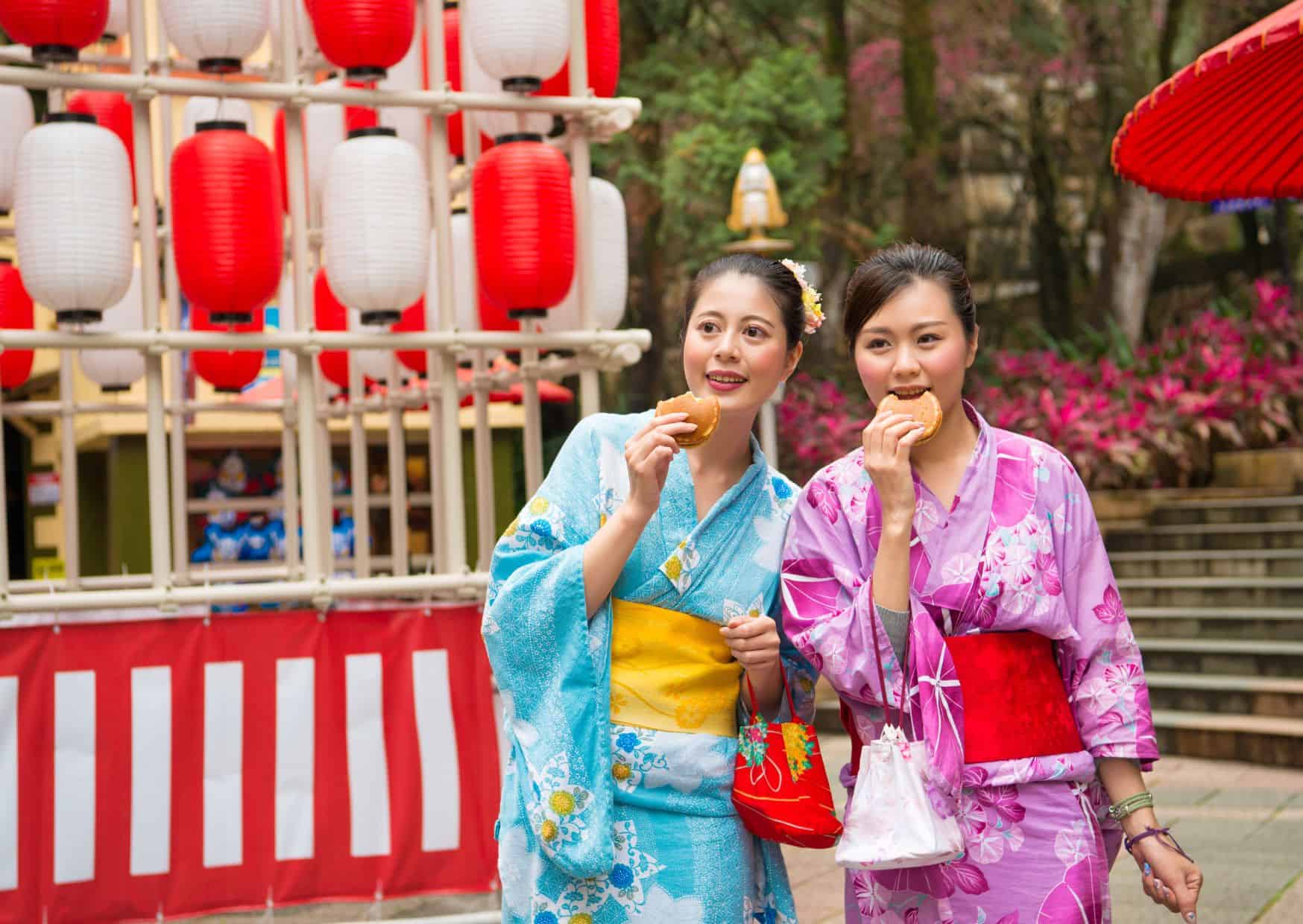
Japan is a fascinating country that seamlessly blends ancient traditions with modernity. While the experience of visiting Japan can be incredible, Americans may encounter some culture shocks due to the country’s distinct customs, etiquette, and social norms.
To help you navigate your visit smoothly, here are some common culture shocks Americans might face in Japan and tips on how to handle them.
Traveling to Japan is a wonderful experience that offers insights into a rich and diverse culture. Being mindful of these differences and adapting to Japanese customs will not only prevent misunderstandings but also enhance your experience by showing respect for the local culture. Embrace the nuances, take your time to appreciate the etiquette, and enjoy the unique charm of Japan!
From bowing instead of handshakes to slurping noodles loudly at the table, the Japanese way of life can seem both charming and confusing to outsiders. What’s perfectly acceptable in Tokyo could be considered odd or even rude in New York or Los Angeles. But these aren’t just minor differences—they’re glimpses into a culture shaped by centuries of tradition and community-first thinking.
Understanding these culture shocks isn’t about changing who you are it’s about respecting where you are. Knowing what to expect before you land can save you embarrassment, deepen your appreciation, and show locals that you value their way of life.
If you’re also looking for sim card and esim guides in Japan, itinerary, moving from airport to the city, and what travel insurance to get, check out these guides for full Japan travel planning for you.
BOOK YOUR TRAVEL INSURANCE
Two of our favorite travel insurance: Heymondo Vs Safetwing cheapest travel Insurance. You can get for $135 USD your Heymondo Travel Insurance with Heymondo discount code valid for 90 days. Read our full comparison of Genki vs Safetywing Travel Insurance Review and the comparison Heymondo vs Genki
Quick Easy Tips
Learn the basic bow: A slight forward tilt is often enough to show respect.
Always remove your shoes before entering a home (and often restaurants or fitting rooms).
Don’t tip ever. It’s not expected and can even be considered rude.
One of the biggest culture shocks for Americans in Japan is realizing how much daily life depends on rules that are often unspoken. People may stand in orderly lines, speak quietly on trains, avoid eating while walking, separate trash carefully, and follow social expectations that nobody explicitly explains. To an American, this can feel overly rigid. To a Japanese person, it may simply feel like basic consideration for everyone sharing the same space.
The controversial part is that Americans are often taught to value individuality, directness, and personal freedom, while Japanese culture can place more emphasis on group harmony and avoiding disruption. That difference can make the same behavior look completely different depending on who is watching. Speaking loudly may feel confident in one culture and inconsiderate in another. Asking directly for what you want may feel efficient in America but too blunt in Japan.
Another uncomfortable truth is that Japan is often romanticized as more polite, clean, disciplined, and civilized than the United States. That can be just as misleading as dismissing Japanese customs as strange. Japan has social pressures, inequalities, workplace frustrations, and contradictions of its own. Respecting the culture does not mean pretending every custom is automatically better.
There is also a danger in interpreting silence as agreement. Japanese communication can sometimes rely more heavily on context, implication, and reading the room. Americans accustomed to clear yes-or-no answers can misunderstand that subtlety. What sounds vague may actually be a polite refusal, while what sounds neutral may carry more meaning than the words suggest.
The deeper controversy is that culture shock reveals how arbitrary many “normal” behaviors really are. Americans may be surprised by bowing, quiet public spaces, bathroom slippers, cash-heavy businesses, or strict train etiquette. But Japanese visitors to the United States may be equally surprised by loud conversations, tipping culture, casual clothing, large portions, or people talking to strangers. Culture shock works both ways.
Culture Shocks for Americans in Japan
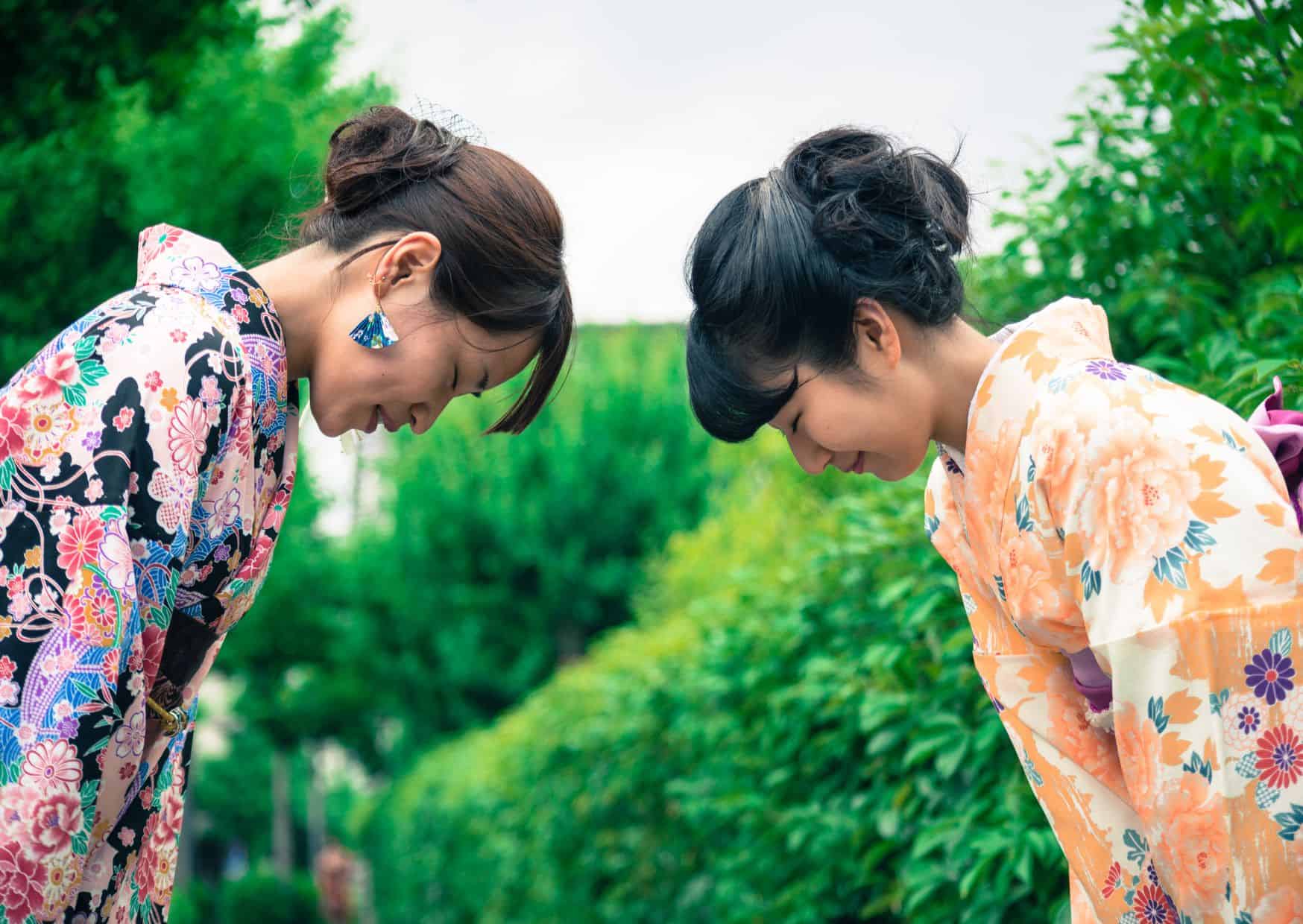
1. Bowing Instead of Handshakes
Explanation:
In Japan, bowing is the traditional way of greeting, showing respect, apologizing, and expressing gratitude. While Western-style handshakes are becoming more common in business settings, bowing is still deeply ingrained in everyday life.
What to Expect:
You’ll notice people bowing when greeting each other, saying thank you, or showing respect to elders and superiors. The depth of the bow can vary depending on the formality of the situation.
How to Handle It:
As a foreigner, a slight bow or nod of the head is usually sufficient. If someone bows to you, it’s polite to return the gesture. In formal situations, bow slightly longer to show more respect. If unsure, follow the lead of those around you.
2. Removing Shoes Indoors
Explanation:
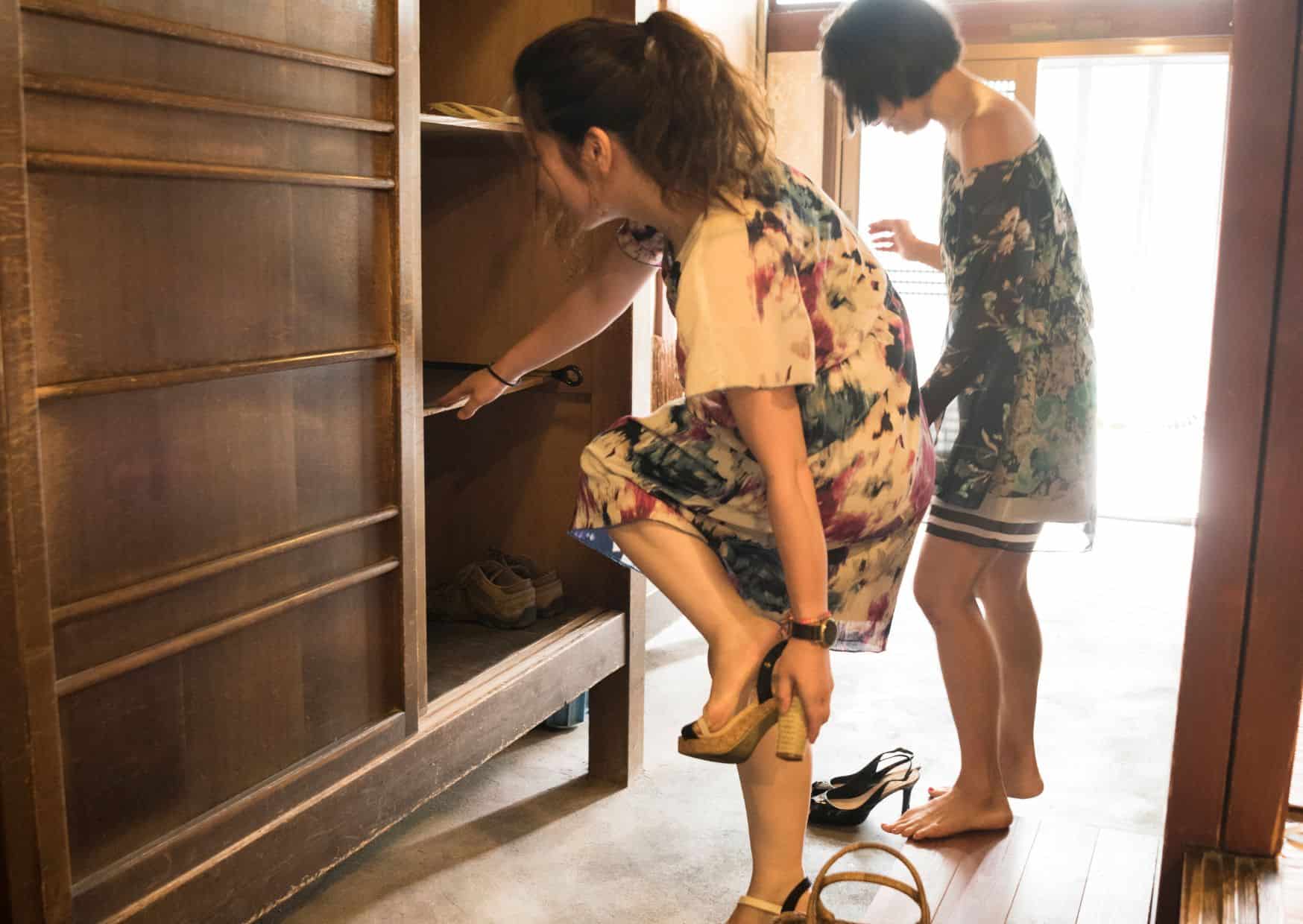
In Japanese culture, shoes are always removed before entering homes, traditional inns (ryokan), temples, and sometimes even restaurants or dressing rooms. This custom is rooted in keeping the indoors clean.
What to Expect:
You’ll often see a genkan (entryway) in homes and certain establishments where you’re expected to remove your shoes. There will typically be slippers provided for indoor use.
How to Handle It:
Be mindful to look for signs or check if others are removing their shoes. Always wear clean socks as you might go barefoot or wear slippers. Avoid stepping on tatami mats with shoes or slippers; use bare feet or socks instead.
3. Silence and Politeness in Public Spaces
Explanation:
Japanese society highly values maintaining harmony and avoiding disruption. As a result, people generally speak softly in public and try not to disturb others, especially in confined spaces like trains and buses.
What to Expect:
You’ll notice people avoiding loud conversations in public. On public transport, phone calls are considered rude, and passengers often use “silent mode” on their phones.
How to Handle It:
Keep your voice down in public places, and avoid making phone calls on public transportation. If you need to talk, do so discreetly and quietly. If traveling in a group, be mindful of your noise level, especially on trains.
4. The Concept of “Tatemae” and “Honne” (Public vs. Private Self)
Explanation:
In Japan, people often present a “public self” (tatemae) that aligns with social expectations, even if it differs from their true feelings (honne). This can sometimes make interactions feel less direct compared to American culture.
What to Expect:
People may say what they think you want to hear to maintain harmony. For example, you might receive a polite “yes” when someone actually means “no,” to avoid confrontation.
How to Handle It:
Don’t take it personally if someone seems vague or indirect. Pay attention to body language and context. If you’re unsure, phrase questions in a way that makes it easier for the other person to express their true thoughts (e.g., “Would it be more convenient for you if we did this another time?”).
5. Strict Recycling and Trash Separation
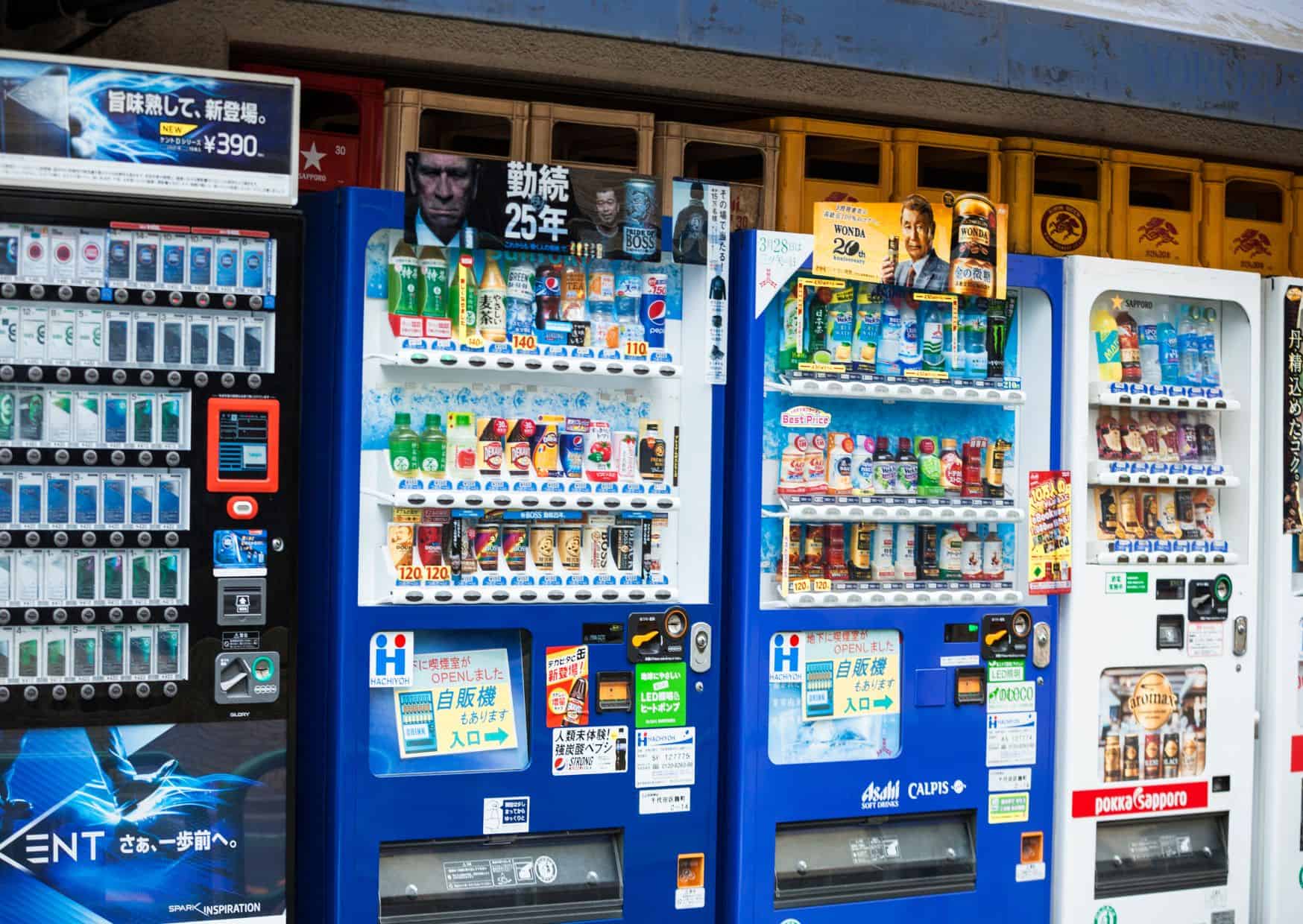
Explanation:
Japan has a meticulous waste disposal system. Trash must be separated into categories such as burnable, non-burnable, plastic, glass, and more. This system varies by city and town.
What to Expect:
You’ll rarely see public trash cans. People are expected to carry their trash home or use designated bins that are often found near vending machines or convenience stores.
How to Handle It:
Pay attention to the signs and instructions for trash separation. In hotels or rental apartments, follow the rules for disposing of garbage according to the local guidelines. If in doubt, ask someone for clarification.
6. Complex Rules of Onsen (Hot Spring) Etiquette
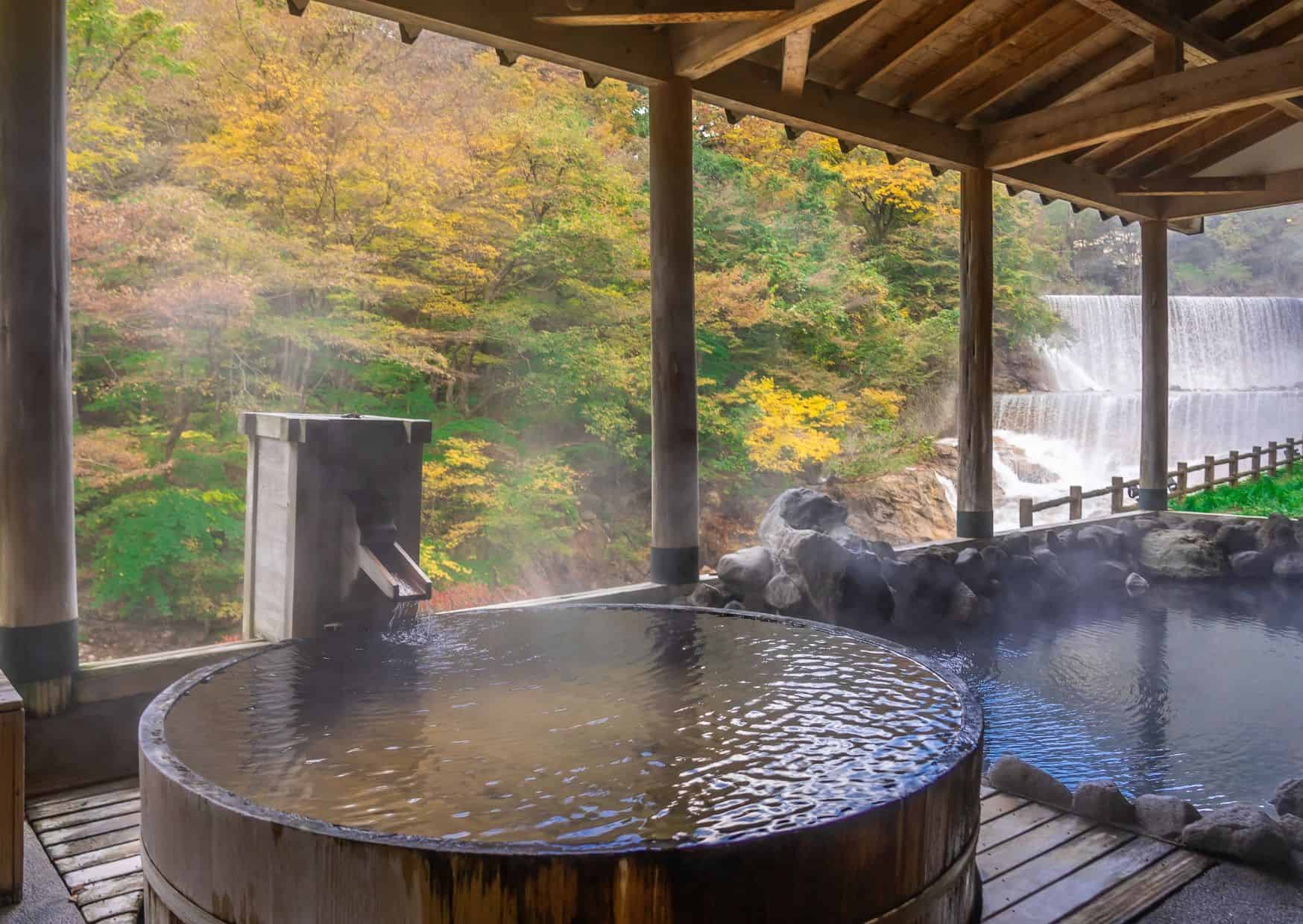
Explanation:
Onsen (hot springs) are a popular way to relax in Japan, but there are strict rules to follow. The emphasis is on cleanliness, modesty, and respect for others.
What to Expect:
Before entering the onsen, you must wash your body thoroughly in the shower area. Bathing suits are not allowed you must enter naked. Tattoos are often prohibited because of their association with the yakuza (Japanese organized crime).
How to Handle It:
Respect the rules, shower completely before entering, and avoid splashing or making noise. If you have tattoos, check with the facility in advance. Some onsens allow tattoos if they are covered with a small waterproof sticker.
7. Unique Dining Etiquette
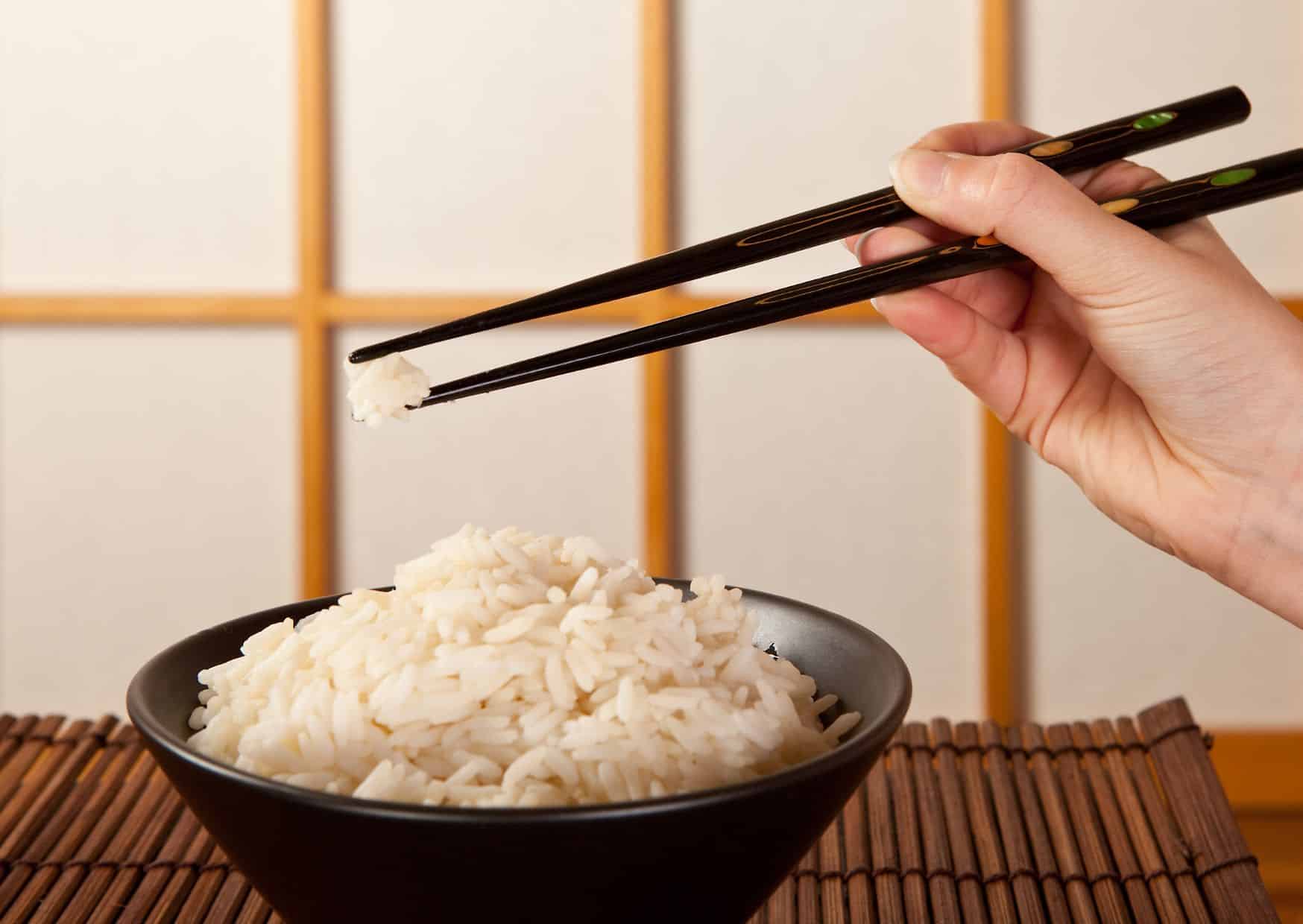
Explanation:
Japanese dining etiquette has several rules that might feel unusual for first-time visitors. Chopstick etiquette is particularly important.
What to Expect:
Don’t stick chopsticks upright into your rice, as this resembles a ritual performed at funerals. Passing food from chopstick to chopstick is also a funeral custom.
Slurping noodles is considered a compliment and is totally acceptable. Pouring drinks for others and waiting for the host to start eating are common practices.
How to Handle It:
When using chopsticks, rest them on the provided chopstick holder or lay them parallel across your bowl when not in use. Avoid passing food between chopsticks and never point with them.
Enjoy your noodles by slurping gently, and always say “Itadakimasu” before eating and “Gochisousama deshita” after finishing, which show gratitude.
8. Cash is King
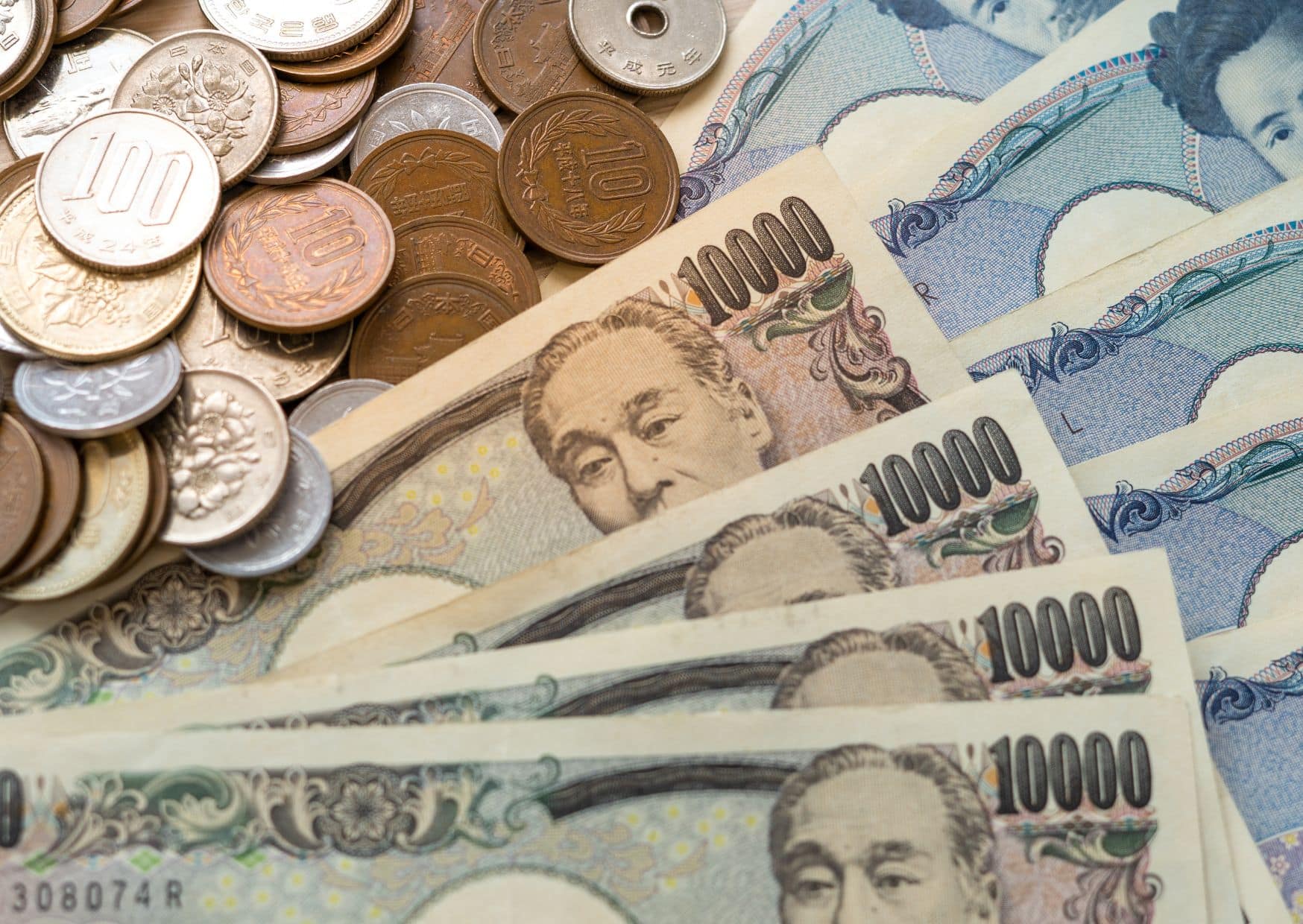
Explanation:
Despite being a technologically advanced country, Japan is still largely a cash-based society, especially in small restaurants, shops, and rural areas.
What to Expect:
While larger stores and hotels accept credit cards, many smaller establishments prefer cash. ATMs in convenience stores are your best option for withdrawing money.
How to Handle It:
Always carry sufficient cash with you, especially when traveling to rural areas. Have smaller denominations available, as some places may not be able to break large bills.
9. Respect for Personal Space and Non-Touching Culture
Explanation:
Japanese people value personal space and physical boundaries. Public displays of affection like hugging and kissing, even among couples, are considered inappropriate.
What to Expect:
Handshakes are rare outside of business settings, and touching (even on the shoulder) can be uncomfortable for some.
How to Handle It:
Avoid touching people unnecessarily, and keep a respectful distance when speaking. If you’re meeting someone for the first time, a bow or a small nod is a good substitute for a handshake.
10. The Use of Masks and Hygiene Practices
Explanation:
Even before COVID-19, mask-wearing was common in Japan as a way to prevent illness and show consideration for others. This emphasis on cleanliness extends to many aspects of daily life.
What to Expect:
People frequently wear masks in public, especially during flu season or if they have a cold. Many public places offer hand sanitizer, and cleanliness is paramount.
How to Handle It:
Carry a mask with you, and be respectful of local norms by wearing one in crowded places or if you feel unwell. Use hand sanitizer when provided and maintain good hygiene.
11. Quiet, Orderly Queuing
Explanation:
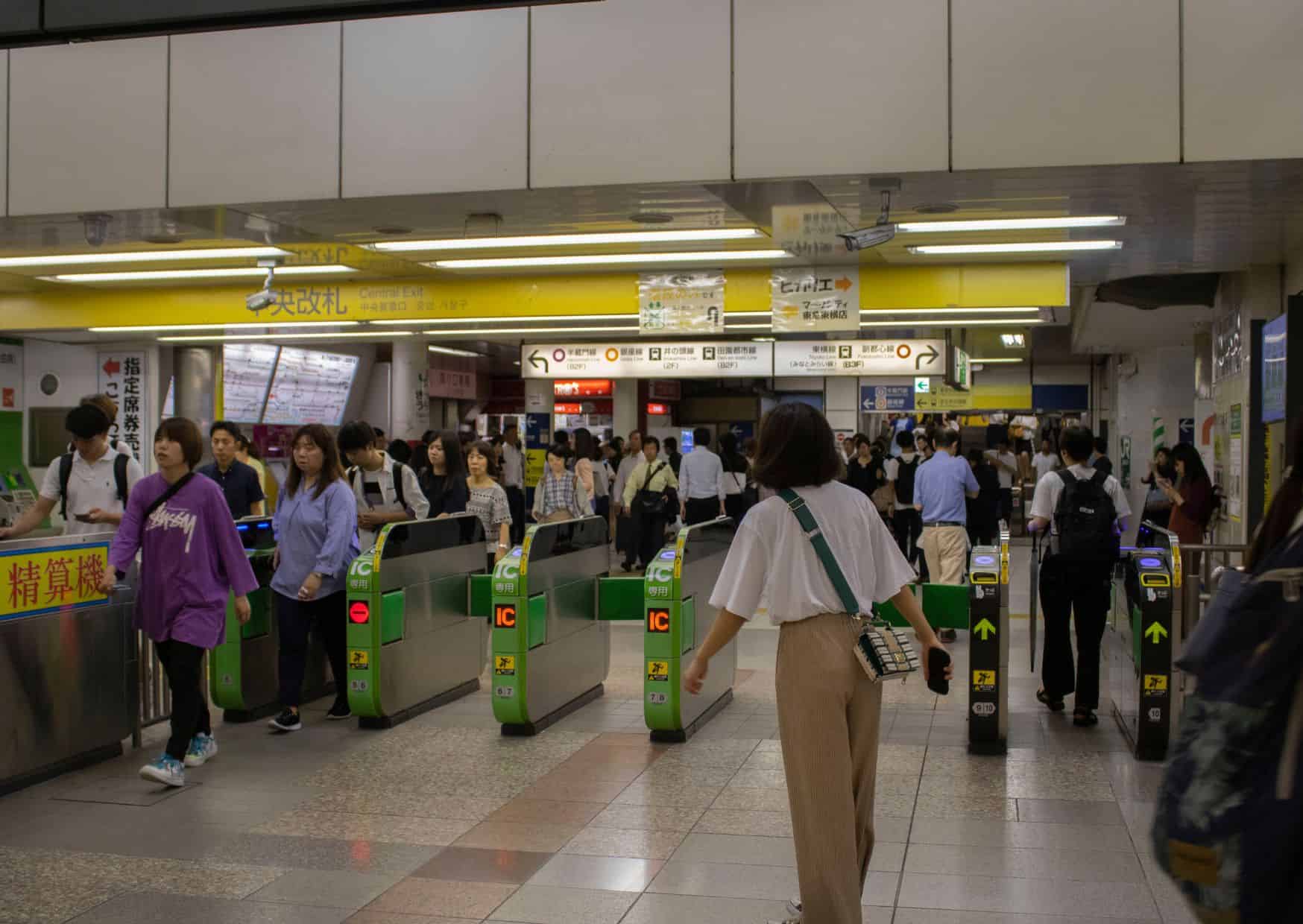
In Japan, queuing is almost an art form. People line up neatly for trains, buses, and even elevators. Pushing or cutting in line is considered extremely rude.
What to Expect:
You’ll see orderly queues even at busy train stations. People stand on one side of the escalator (typically the left in Tokyo, right in Osaka) to let others pass.
How to Handle It:
Observe the queuing patterns and follow suit. If you’re unsure, watch what the locals are doing and stand in line patiently
Why You Should Follow These Customs
You should follow Japanese social norms because small acts of respect can make a huge difference. Paying attention to how people queue, when to remove shoes, how loudly to speak, and how to behave in temples, restaurants, and public transportation shows that you are making an effort. You do not need to understand every rule perfectly, but trying matters.
Following local customs can also make your trip smoother. Many of Japan’s systems work extremely well because people cooperate with the expectations around them. Standing on the correct side of an escalator where applicable, lining up for trains, disposing of trash properly, and respecting reserved spaces makes travel easier for everyone.
You may also receive warmer interactions when you show cultural awareness. Locals generally do not expect foreign visitors to know everything, but obvious respect goes a long way. A simple bow, quiet voice, or attempt to follow local etiquette can make conversations feel more comfortable and reduce unnecessary friction.
Following these customs can also teach you useful habits. Japan’s emphasis on punctuality, cleanliness, public order, and awareness of others can challenge travelers to think differently about shared spaces. Even if you do not adopt every habit permanently, some of them may stay with you after the trip.
Most importantly, adapting shows that travel is not only about consuming experiences. It is also about entering someone else’s social environment with humility. You are not giving up your identity by following local etiquette. You are showing that your comfort is not the only thing that matters.
Why You Shouldn’t Follow Everything 100%
You should not become so afraid of making a mistake that you stop enjoying the trip. Japan can feel intimidating because etiquette guides make it sound as though one wrong move will offend everyone. In reality, most people understand that visitors are learning. Respectful mistakes are usually very different from careless or arrogant behavior.
You also should not assume every Japanese person follows the same rules in exactly the same way. Age, region, workplace, personality, and social context all matter. Tokyo, Osaka, Kyoto, and rural areas can feel very different. Treating every custom as universal can quickly become another stereotype.
Another reason not to follow everything blindly is that some habits may not fit your needs. Personal boundaries, dietary restrictions, health concerns, or accessibility needs can require you to behave differently. Cultural respect does not mean ignoring your own well-being.
You should also be careful about copying behavior you do not fully understand. Mimicking gestures, phrases, or social rituals without context can come across as awkward rather than respectful. It is usually better to understand the principle behind a custom than to perform it mechanically.
Finally, adapting does not mean pretending to be Japanese. You are still a visitor, and there is nothing wrong with being visibly foreign. The goal is not to erase yourself. The goal is to avoid unnecessary disrespect while staying comfortable and authentic..
Final Thoughts
Japan is one of those countries where culture shock often happens through small details rather than dramatic differences. The quiet train, the orderly line, the shoe rules, the public manners, and the indirect communication can all feel surprising at first. Over time, those details start to reveal the values behind them.
The best way to approach those differences is with curiosity rather than judgment. Something that feels strange may make perfect sense once you understand the reason behind it. At the same time, understanding a custom does not require you to adopt it forever.
Japan can also make Americans more aware of their own habits. Loudness, directness, tipping, casualness, and personal space may feel neutral at home, but travel shows that they are cultural choices too. That realization is one of the most useful things culture shock can teach.
You do not need to leave Japan convinced that every local habit is better. Some customs may impress you, others may frustrate you, and some may simply feel unfamiliar. That mix is normal. Travel becomes more interesting when you stop expecting every culture to fit your own standards.
In the end, the goal is balance. Respect the rules that matter, stay observant, ask when you are unsure, and do not panic over minor mistakes. Japan becomes much easier to enjoy once you stop trying to perform perfectly and start paying attention to how people around you move through daily life.

About the Author: Ruben, co-founder of Gamintraveler.com since 2014, is a seasoned traveler from Spain who has explored over 100 countries since 2009. Known for his extensive travel adventures across South America, Europe, the US, Australia, New Zealand, Asia, and Africa, Ruben combines his passion for adventurous yet sustainable living with his love for cycling, highlighted by his remarkable 5-month bicycle journey from Spain to Norway. He currently resides in Spain, where he continues sharing his travel experiences with his partner, Rachel, and their son, Han.