
Last updated on October 18th, 2026 at 01:05 pm
Europe can feel familiar to Americans at first. The cities are modern, many people speak English, and daily life may not seem radically different on the surface. Then the small cultural differences start adding up, and that is often where the real culture shock begins.
The biggest surprises are usually not famous traditions. They are ordinary habits: how people eat, how they socialize, how loudly they speak, how they use public space, how they dress, how they handle customer service, and how much privacy they expect. These differences can feel minor individually but surprisingly significant when experienced every day.
For many Americans, the shock comes from expecting Europe to work almost exactly like the United States with older buildings and better trains. In reality, social expectations can be very different even when the environment looks familiar. A behavior that feels friendly, efficient, or normal at home may be interpreted differently elsewhere.
That does not mean one culture is better than the other. It simply means people grow up with different assumptions about what is polite, comfortable, respectful, or efficient. Travel becomes much easier when you stop judging every difference against your own habits.
Understanding common culture shocks before visiting can save you from unnecessary frustration. It also helps you recognize that moments of discomfort are often part of adjusting rather than proof that something is wrong with the destination.
Read here how to pack for Europe and Best eSIM for Europe
BOOK YOUR TRAVEL INSURANCE
Two of our favorite travel insurance: Heymondo Vs Safetwing cheapest travel Insurance. You can get for $135 USD your Heymondo Travel Insurance with Heymondo discount code valid for 90 days. Read our full comparison of Genki vs Safetywing Travel Insurance Review and the comparison Heymondo vs Genki
Tips for Adjusting to Culture Shocks
Embrace the slower pace: Don’t expect lightning-fast service in restaurants it’s not rudeness, it’s the norm.
Bring cash and a card: Some places, especially in Germany and Italy, still prefer cash for small purchases.
Quiet matters: Loud public conversations can draw unwanted attention, especially on public transport.
Greet properly: Say “hello” or the local equivalent when entering shops it’s a must in many countries.
Mind the tipping: Tipping is appreciated but not expected in the same way as in the U.S. A few coins or rounding up is usually enough.
The controversial truth is that many Americans arrive in Europe expecting it to feel like the United States with older buildings, better public transportation, and more cafés. That assumption is exactly why the smallest differences can feel so irritating. Europe may look familiar on the surface, but the social rules underneath can be very different.
Another uncomfortable reality is that some Americans interpret difference as inconvenience. Smaller portions, slower service, limited ice, fewer public bathrooms, different opening hours, or less enthusiastic customer service can feel like problems when they are often just normal parts of local life. The frustration usually comes from expecting the destination to operate according to American habits.
There is also a tendency to assume that friendliness must look the same everywhere. Americans are often more comfortable with small talk, casual introductions, and overt enthusiasm. In parts of Europe, people may seem more reserved at first, which can be misread as coldness even when no offense is intended.
The biggest culture shock may actually be realizing how American your own habits are. Talking loudly, expecting constant convenience, dressing casually in every setting, eating at unusual hours, or prioritizing speed can all feel completely normal until you enter a culture where those behaviors stand out.
The real controversy is that culture shock says as much about the traveler as it does about the destination. Europe is not being difficult simply because it does things differently. The experience becomes easier once travelers stop asking why Europeans do not behave more like Americans and start asking why they expected them to in the first place.
Culture Shocks for Americans in Europe
1. Dining Etiquette

Culture Shock:
Meals in Europe are often leisurely and can last several hours, especially in countries like France, Italy, or Spain.
Water is not automatically served, and you may have to pay for it (still or sparkling).
Tipping is less common or smaller (5–10%), as service charges are often included in the bill.
How to Adapt:
Be patient; dining is seen as an experience, not a quick meal.
Ask for the bill when ready—waiters won’t rush you.
Check if the tip is included (often listed as “service compris”).
2. Smaller Portions and No Free Refills
Culture Shock:
Portions in European restaurants are typically smaller than those in the U.S.
Free refills on soda, coffee, or water are rare.
How to Adapt:
Savor the smaller portions; it’s about quality over quantity.
If you want more, order a second drink or food item.
3. Limited Ice Usage

Culture Shock:
Drinks in Europe often come without ice or with just a few cubes, even in hot weather.
How to Adapt:
If you prefer ice, specifically request it when ordering (“with ice, please”).
Embrace the European norm of room-temperature beverages, especially for water.
4. Paying for Public Restrooms
Culture Shock:
Many public restrooms charge a small fee (usually €0.50–€1).
Restrooms may have an attendant or a coin-operated entrance.
How to Adapt:
Always carry small coins for restroom access.
Look for restrooms in cafes or train stations if you’re in a pinch.
5. Sundays are Quiet
Culture Shock:
Many stores, restaurants, and businesses close on Sundays, especially in countries like Germany or Switzerland.
How to Adapt:
Plan ahead and do essential shopping on Saturday.
Use Sundays to relax, enjoy nature, or explore open attractions like museums.
6. Emphasis on Public Transportation
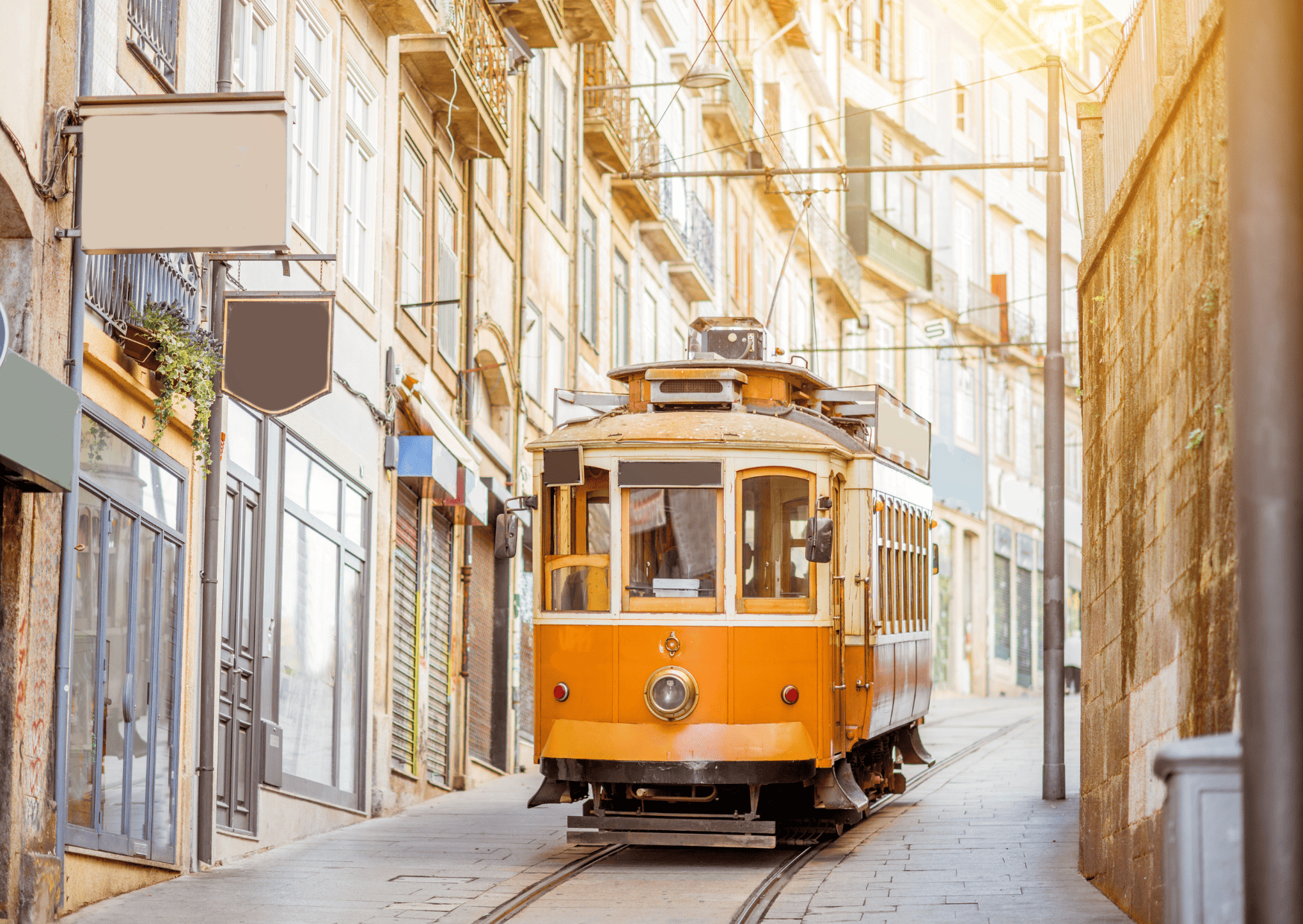
Culture Shock:
Public transportation is the norm in Europe, with extensive systems of trains, buses, and trams.
Cars are less commonly used in city centers, and parking can be expensive.
How to Adapt:
Familiarize yourself with local transit systems and purchase multi-day passes.
Walk or bike, as many cities are designed for pedestrians and cyclists.
7. Metric System
Culture Shock:
Europe uses the metric system for measurements (kilometers, kilograms, Celsius).
How to Adapt:
Learn basic conversions (e.g., 1 kilometer ≈ 0.62 miles, 1 kg ≈ 2.2 lbs, 0°C = 32°F).
Use apps or your smartphone’s calculator for quick conversions.
8. Fewer Large Grocery Stores
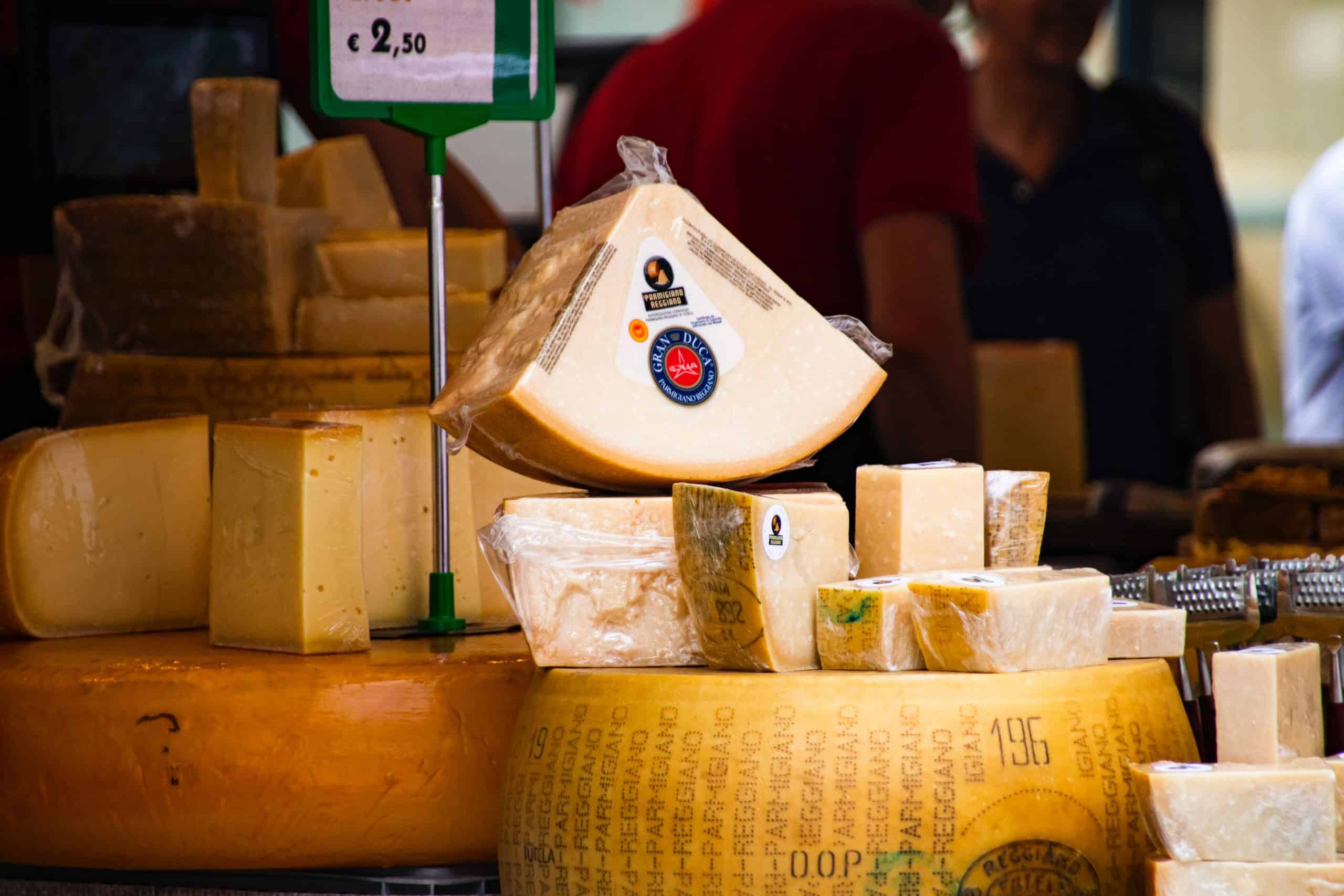
Culture Shock:
European cities often have smaller markets or specialty shops (bakeries, butchers, etc.) rather than large supermarkets.
How to Adapt:
Visit local markets for fresh, high-quality produce and food.
Enjoy the charm of buying bread at a bakery or cheese at a fromagerie.
9. Smoking is More Common

Culture Shock:
Smoking is more prevalent in Europe, especially in outdoor cafes or public spaces.
How to Adapt:
Be prepared to encounter smokers in outdoor areas or ask for a non-smoking section.
Avoid sitting too close to smoking areas if it bothers you.
10. No Air Conditioning
Culture Shock:
Air conditioning is less common, especially in homes and smaller hotels.
How to Adapt:
Book accommodations with fans or air conditioning if you’re visiting during summer.
Dress in light, breathable clothing during warmer months.
11. Cultural Nudity

Culture Shock:
Nudity is more accepted in Europe, whether on some beaches, in spas (like in Germany), or in advertising.
How to Adapt:
Be open-minded and understand that nudity is not as taboo as it is in the U.S.
If uncomfortable, research the norms of specific destinations beforehand.
12. Less Focus on Customer Service
Culture Shock:
Customer service can feel less enthusiastic or “over-the-top” compared to the U.S.
How to Adapt:
Don’t take it personally; service staff are often less involved but still professional.
Be polite and direct when asking for assistance.
13. Quiet Hours and Noise Restrictions
Culture Shock:
In many countries, there are quiet hours, especially in residential areas (often after 10 PM).
How to Adapt:
Keep noise levels low in the evenings and respect local norms.
Plan quieter activities for late-night hours.
14. Long Lunch Breaks and Siestas

Culture Shock:
In countries like Spain and Italy, lunch breaks can be long, with many businesses closing in the afternoon.
How to Adapt:
Plan activities around siesta hours and avoid expecting quick service during lunch.
Embrace the slower pace of life and enjoy a leisurely meal.
15. Roundabouts Instead of Traffic Lights
Culture Shock:
Roundabouts are far more common than traffic lights in Europe.
How to Adapt:
If driving, familiarize yourself with how to navigate roundabouts (yield to traffic already inside).
For pedestrians, be cautious and use designated crossings.
16. Cultural Formalities
Culture Shock:
Europeans may seem more formal, especially in countries like Germany or France. Titles and greetings are important.
How to Adapt:
Use formal greetings like “Bonjour” (France) or “Guten Tag” (Germany) when entering shops.
Learn basic phrases in the local language to show respect.
17. Smaller Living Spaces
Culture Shock:
Apartments, hotel rooms, and cars in Europe are often smaller than in the U.S.
How to Adapt:
Pack light and be prepared for cozy accommodations.
Embrace the efficient use of space.
18. Direct Communication
Culture Shock:
Europeans may be more direct in their speech, which can come across as blunt to Americans.
How to Adapt:
Don’t take directness personally; it’s often a sign of efficiency or honesty.
Be polite but concise when communicating.
19. Different Coffee Culture

Culture Shock:
Coffee in Europe is often smaller and stronger than the large cups of drip coffee in the U.S.
In Italy, cappuccinos are traditionally for breakfast only.
How to Adapt:
Order a café (espresso) or café au lait if you want something closer to U.S. coffee.
Avoid ordering “to-go”; take time to enjoy your coffee at a café.
20. Fewer 24/7 Services
Culture Shock:
Many shops, restaurants, and services close earlier than in the U.S., especially in smaller towns.
How to Adapt:
Check opening hours in advance and stock up on essentials during the day.
Adjust your expectations and plan your day around local hours.
Why You Should Adapt
You should adapt because small changes can make everyday interactions much smoother. Speaking a little more quietly, learning a few basic phrases, understanding meal times, and paying attention to local etiquette can make a noticeable difference.
Adapting also helps you avoid interpreting cultural differences as personal rejection. What feels like cold service, blunt communication, or limited small talk may simply reflect a different social norm rather than hostility.
You should also follow local expectations because it shows respect. Visitors are not expected to become locals overnight, but making an effort signals that you understand you are entering someone else’s culture rather than expecting everyone to adjust to you.
Adapting can make the trip more interesting too. Once you stop trying to recreate American routines abroad, you begin experiencing the destination on its own terms. That often leads to better food, more meaningful conversations, and a stronger sense of place.
Most importantly, cultural flexibility makes travel less stressful. The faster you accept that some things simply work differently, the easier it becomes to enjoy them rather than constantly comparing them with home.
Why You Should Not Take It Too Seriously
You should not treat every cultural difference as a strict rule. Europe is not one culture, and behavior can vary enormously between countries, regions, cities, age groups, and social settings.
You also should not assume that every European behaves the same way. Generalizations may help explain broad patterns, but they should never replace observation. What feels normal in Spain may feel unusual in Germany, and what works in a small town may not apply in a capital city.
There is also no reason to feel embarrassed every time you make a small mistake. Most people understand that tourists do not know every custom. A sincere apology or quick adjustment is usually enough.
You should not become so focused on avoiding mistakes that you stop enjoying yourself. Travel is supposed to involve curiosity, experimentation, and occasionally getting things wrong. Overthinking every interaction can make the experience unnecessarily stressful.
Finally, you do not need to abandon your own personality to fit in. Adapting is about awareness, not imitation. You can remain yourself while still respecting the norms around you.
Final Thoughts
Culture shock is one of the most interesting parts of traveling through Europe because it reveals how many everyday habits we assume are universal when they are not.
The differences that confuse you at first may eventually become the things you appreciate most. Slower meals, different social boundaries, quieter public spaces, or more relaxed attitudes toward certain aspects of life can start to make sense after a while.
The best approach is to stay observant without becoming judgmental. Notice how people behave, ask questions when appropriate, and adjust when something clearly works differently from what you are used to.
You may also return home with a different perspective on American habits. Travel often makes people more aware of their own culture because they finally have something to compare it with.
In the end, Europe is not difficult because it is different. It only becomes frustrating when travelers expect it to operate exactly like home. The more flexible you are, the more enjoyable those differences become.

About the Author: Ruben, co-founder of Gamintraveler.com since 2014, is a seasoned traveler from Spain who has explored over 100 countries since 2009. Known for his extensive travel adventures across South America, Europe, the US, Australia, New Zealand, Asia, and Africa, Ruben combines his passion for adventurous yet sustainable living with his love for cycling, highlighted by his remarkable 5-month bicycle journey from Spain to Norway. He currently resides in Spain, where he continues sharing his travel experiences with his partner, Rachel, and their son, Han.