
Last updated on October 15th, 2026 at 11:18 am
Spaghetti is one of the first foods travelers associate with Italy, and for good reason. It is iconic, comforting, and instantly recognizable. But reducing Italian food to spaghetti is like reducing American food to hamburgers. Italy’s regional cooking is far more varied, and some of the country’s best dishes never appear on the average tourist’s radar.
That is the problem with tourist menus. They tend to repeat the foods visitors already know: spaghetti, lasagna, pizza, carbonara, and tiramisu. Those dishes can be excellent, but they represent only a small part of what Italians actually eat across different regions. Travel north, south, inland, or along the coast and the food can change dramatically.
Many of the most memorable Italian dishes are tied to one specific place. A pasta from Bologna may look nothing like one from Sicily. A stew from Tuscany may have almost nothing in common with seafood from Liguria. That regional identity is one of the reasons Italian food feels so much richer once you stop ordering the same familiar dishes everywhere.
The best way to eat in Italy is to pay attention to what the region is known for rather than what looks safest on the menu. Sometimes the dish you have never heard of is exactly the one locals have been eating for generations. That is often where the real experience begins.
These 15 underrated dishes are worth discovering because they show how diverse Italian food really is. They may not have the global fame of spaghetti, but many of them offer deeper regional character, stronger local traditions, and flavors tourists miss simply because they never think to order them.
Read here best Italian food, vegetarian food in Italy, best drinks in Italy and best breakfast in Italy
Read Here Things to know before visiting Italy and how to buy a sim card in Italy
BOOK YOUR TRAVEL INSURANCE
Two of our favorite travel insurance: Heymondo Vs Safetwing cheapest travel Insurance. You can get for $135 USD your Heymondo Travel Insurance with Heymondo discount code valid for 90 days. Read our full comparison of Genki vs Safetywing Travel Insurance Review and the comparison Heymondo vs Genki
The controversial truth is that tourists often eat a very different version of Italy than Italians do. Restaurants in heavily visited areas know exactly what foreigners expect, so they keep serving the same recognizable dishes. The result is that visitors can spend a week in Italy and still eat almost nothing that reflects the region they are actually in.
Another uncomfortable truth is that spaghetti has become so globally dominant that it can overshadow better local options. That does not mean spaghetti is bad. It means familiarity wins. Tourists order what they recognize, while restaurants keep offering it because it sells. The cycle reinforces itself.
There is also a tendency to treat Italian food as one unified cuisine. In reality, regional identity matters enormously. Italians themselves often debate which version of a dish is correct, which ingredients belong, and which region does it best. That disagreement is part of the culture, and it disappears when everything gets reduced to “Italian food.”
The tourist habit of playing it safe can also make meals more forgettable. Ordering spaghetti because you know what it is may feel comfortable, but it also means missing dishes that exist nowhere else in quite the same way. Travel should sometimes include foods you cannot easily find at home.
The real controversy is that many travelers say they want authentic food but keep ordering the most internationally famous dishes. Authenticity usually requires curiosity. If you are unwilling to move beyond what you already know, you may never discover what makes Italian food so regional and distinctive.
1. Pasta alla Norcina (Umbria)
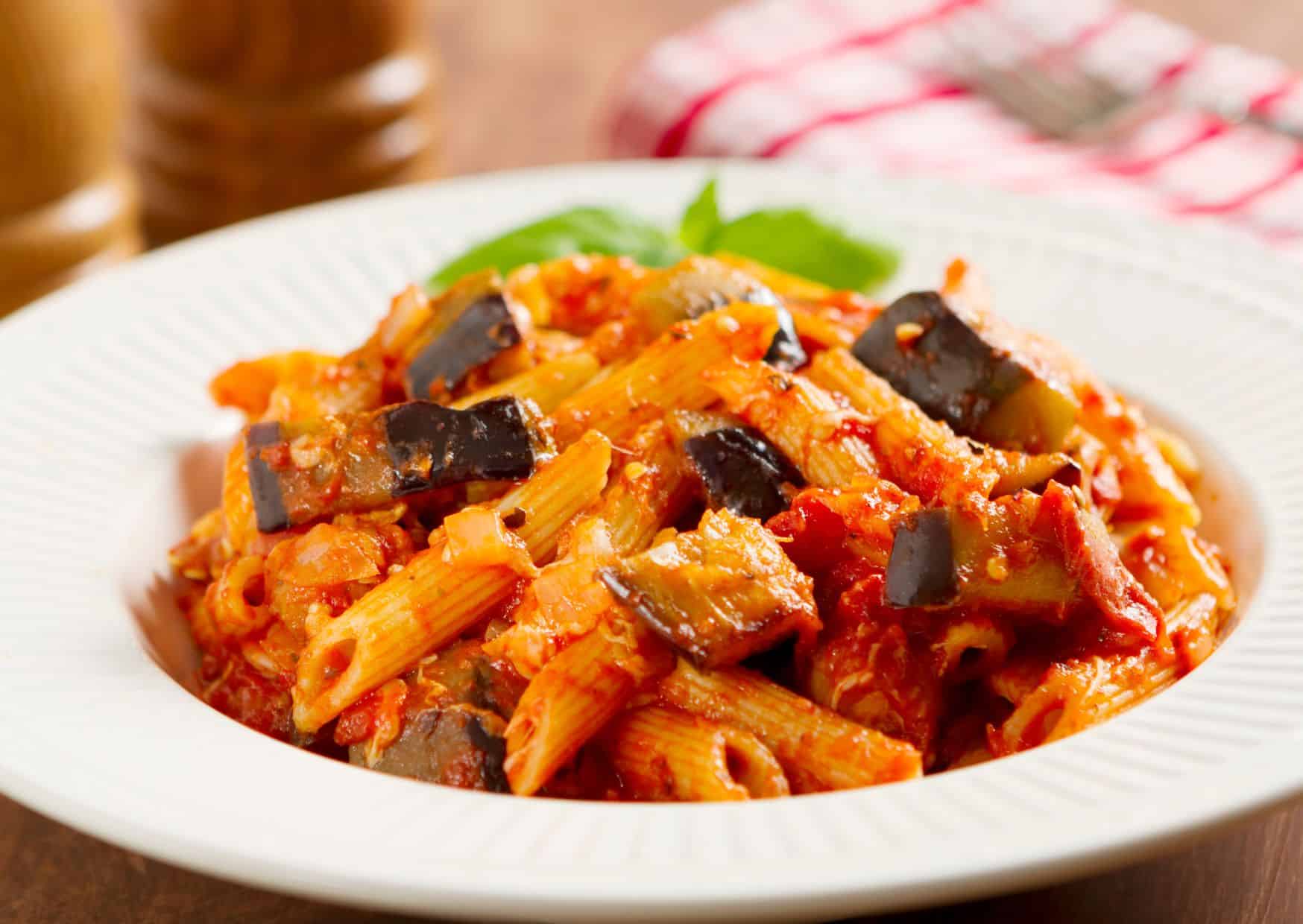
A creamy, savory pasta dish made with sausage, white wine, garlic, and pecorino.
Quick recipe: Sauté crumbled Italian sausage with garlic and white wine. Stir in cream and pecorino. Toss with short pasta like penne or rigatoni.
2. Panzanella (Tuscany)
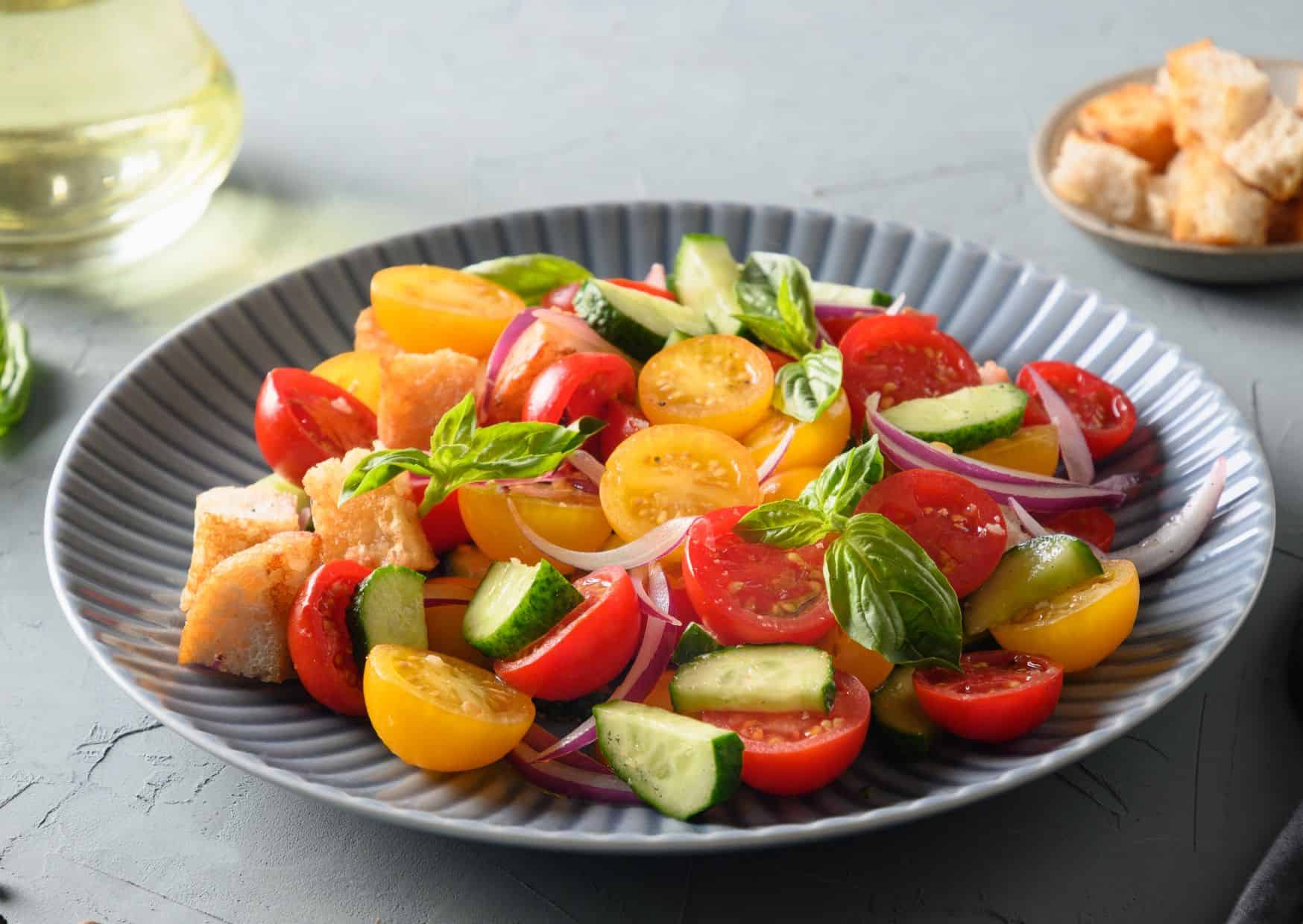
A refreshing bread salad made with stale bread, tomatoes, cucumber, and onions.
Quick recipe: Soak day-old bread in water, squeeze dry, then mix with chopped tomatoes, cucumbers, red onion, basil, olive oil, and vinegar.
3. Frittata di Pasta (Naples)
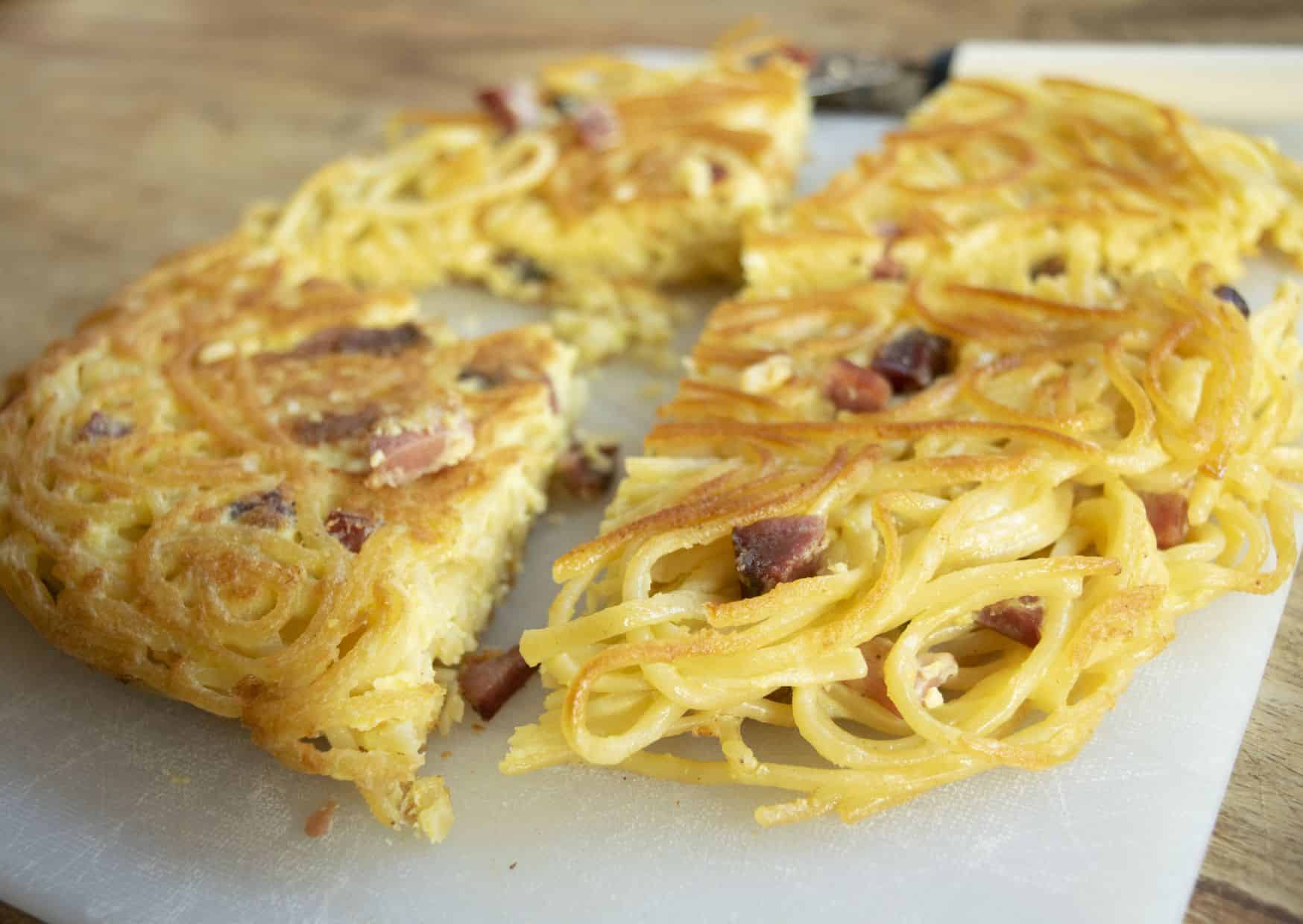
A delicious way to use leftover spaghetti—turned into a golden, cheesy pasta omelet.
Quick recipe: Mix cooked pasta with eggs, cheese, and herbs. Fry in a pan until set and crisp on both sides. Slice like a pie!
4. Ribollita (Tuscany)
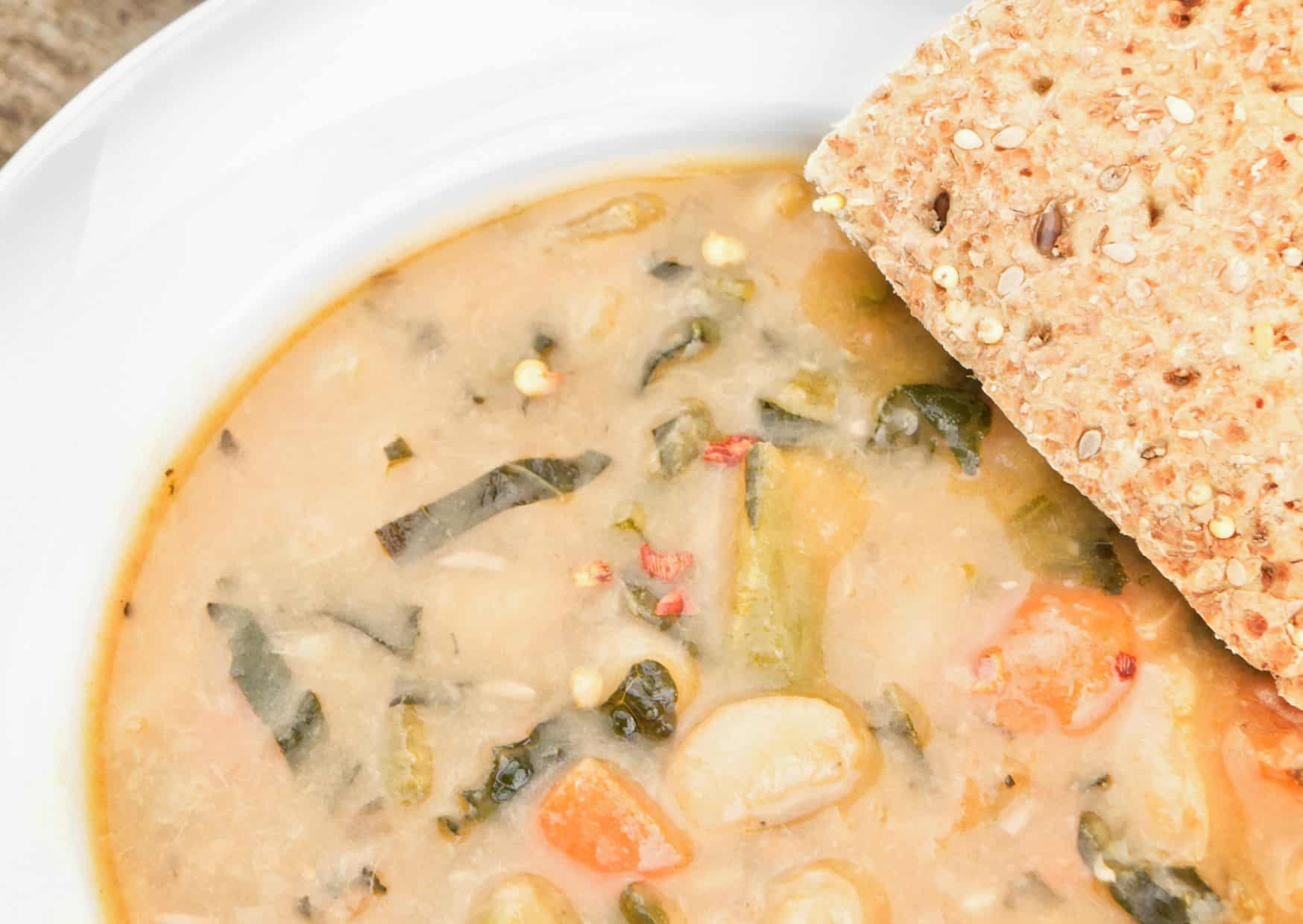
A hearty, vegetable-packed soup thickened with stale bread and flavored with olive oil.
Quick recipe: Sauté onion, garlic, carrots, and kale. Add white beans and broth. Stir in torn bread and simmer until thick and comforting.
5. Pasta con le Sarde (Sicily)
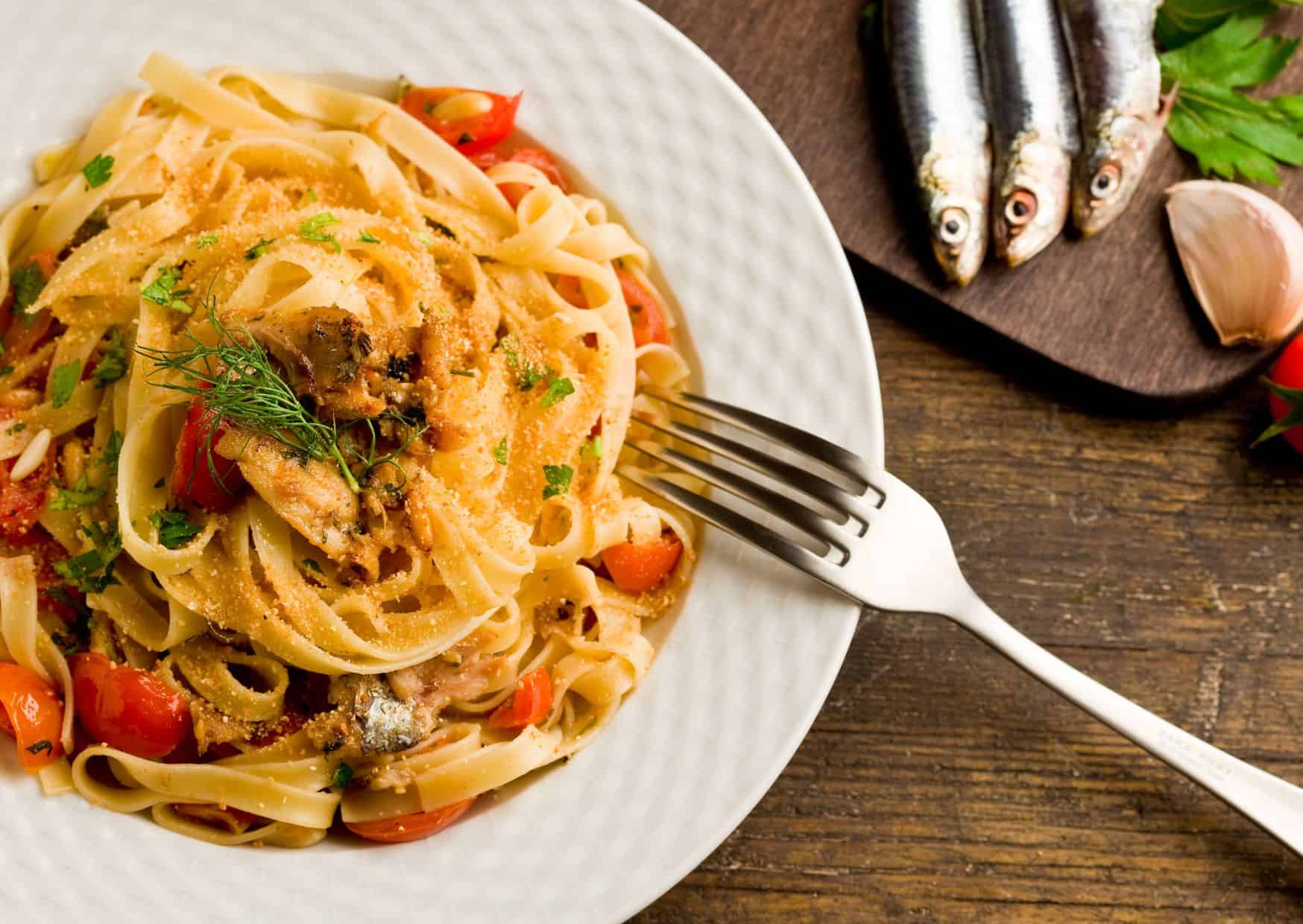
Sweet and savory pasta with fresh sardines, wild fennel, raisins, and pine nuts.
Quick recipe: Sauté onions and fennel with anchovy, raisins, and saffron. Add sardines and toss with bucatini. Top with toasted breadcrumbs.
6. Caponata (Sicily)
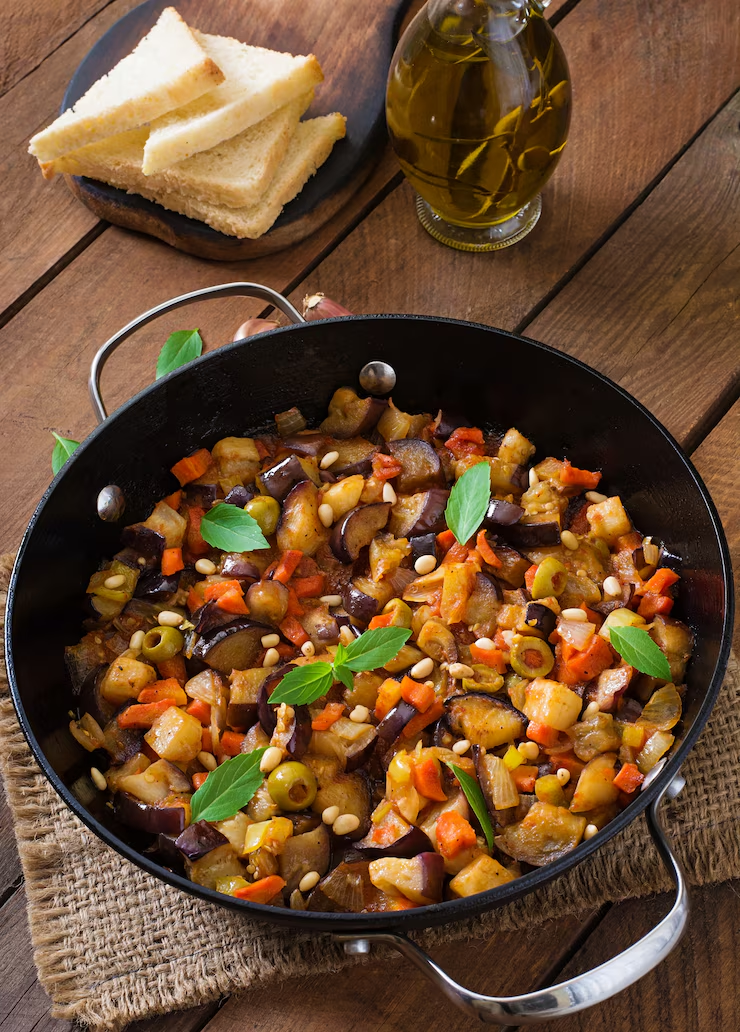
A warm or room-temp eggplant salad with sweet and sour notes.
Quick recipe: Fry chopped eggplant. Add celery, capers, olives, tomatoes, and a splash of vinegar and sugar. Simmer until tender.
7. Canederli (Trentino-Alto Adige)
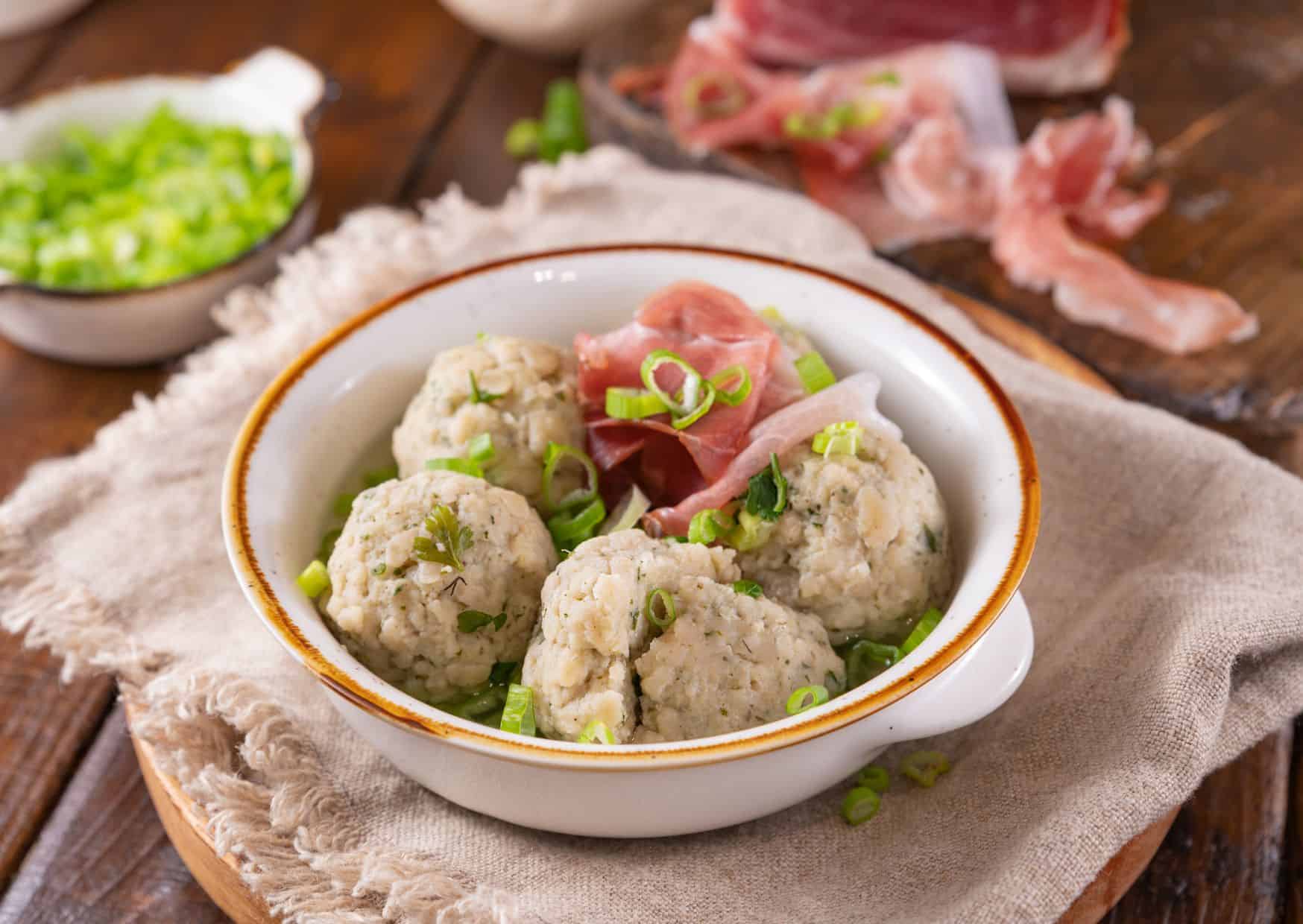
Rustic bread dumplings made with stale bread, cheese, eggs, and herbs—boiled and served in broth or with melted butter.
Quick recipe: Combine bread cubes with milk, eggs, parsley, speck (or bacon), and cheese. Form into balls and boil.
8. Cacciucco (Tuscany – Livorno)
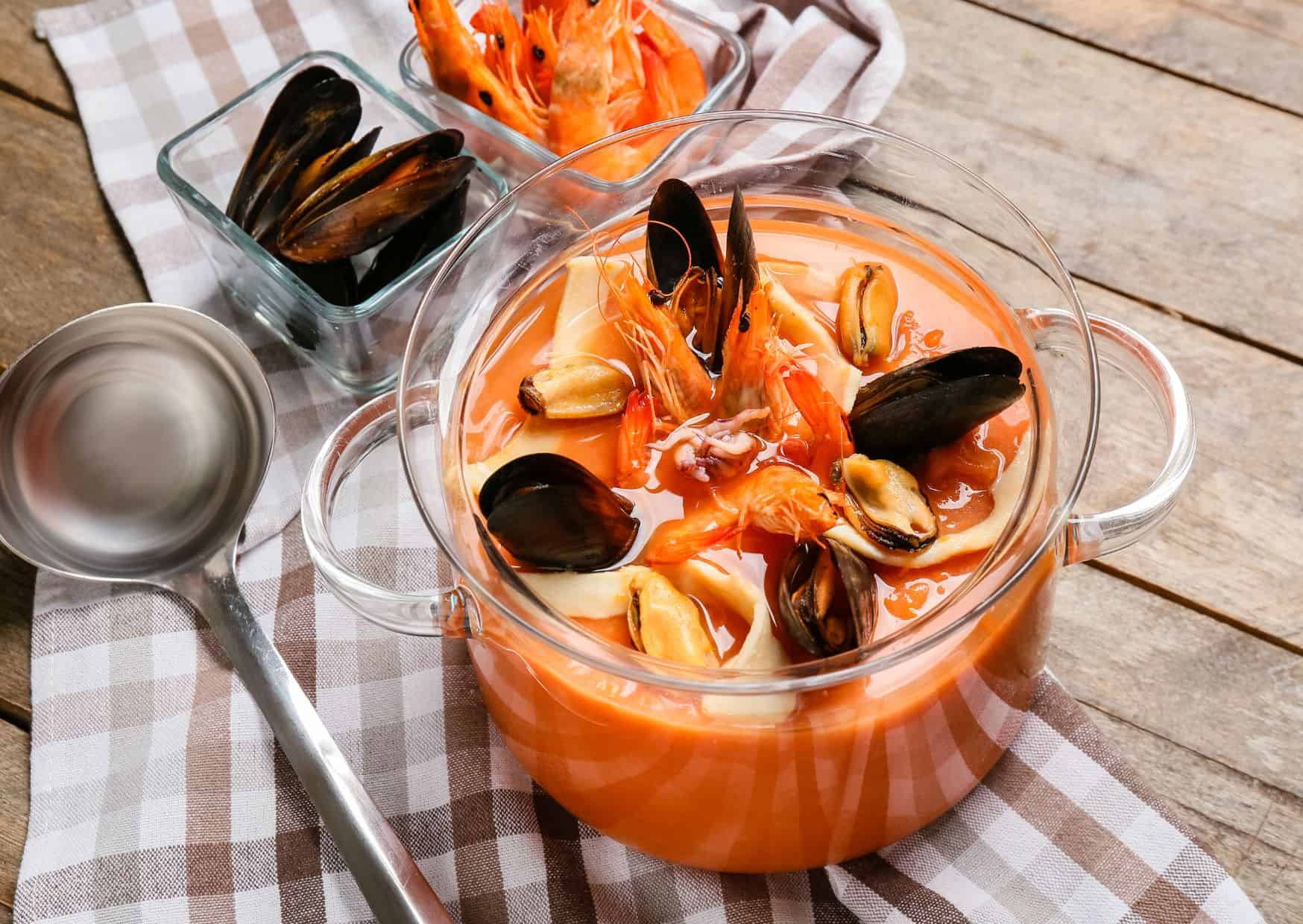
A bold, spicy seafood stew made with multiple types of fish and shellfish in a rich tomato broth.
Quick recipe: Sauté garlic, red pepper flakes, and tomatoes. Add seafood in stages by cooking time. Serve over toasted bread rubbed with garlic.
9. Gnudi (Tuscany)
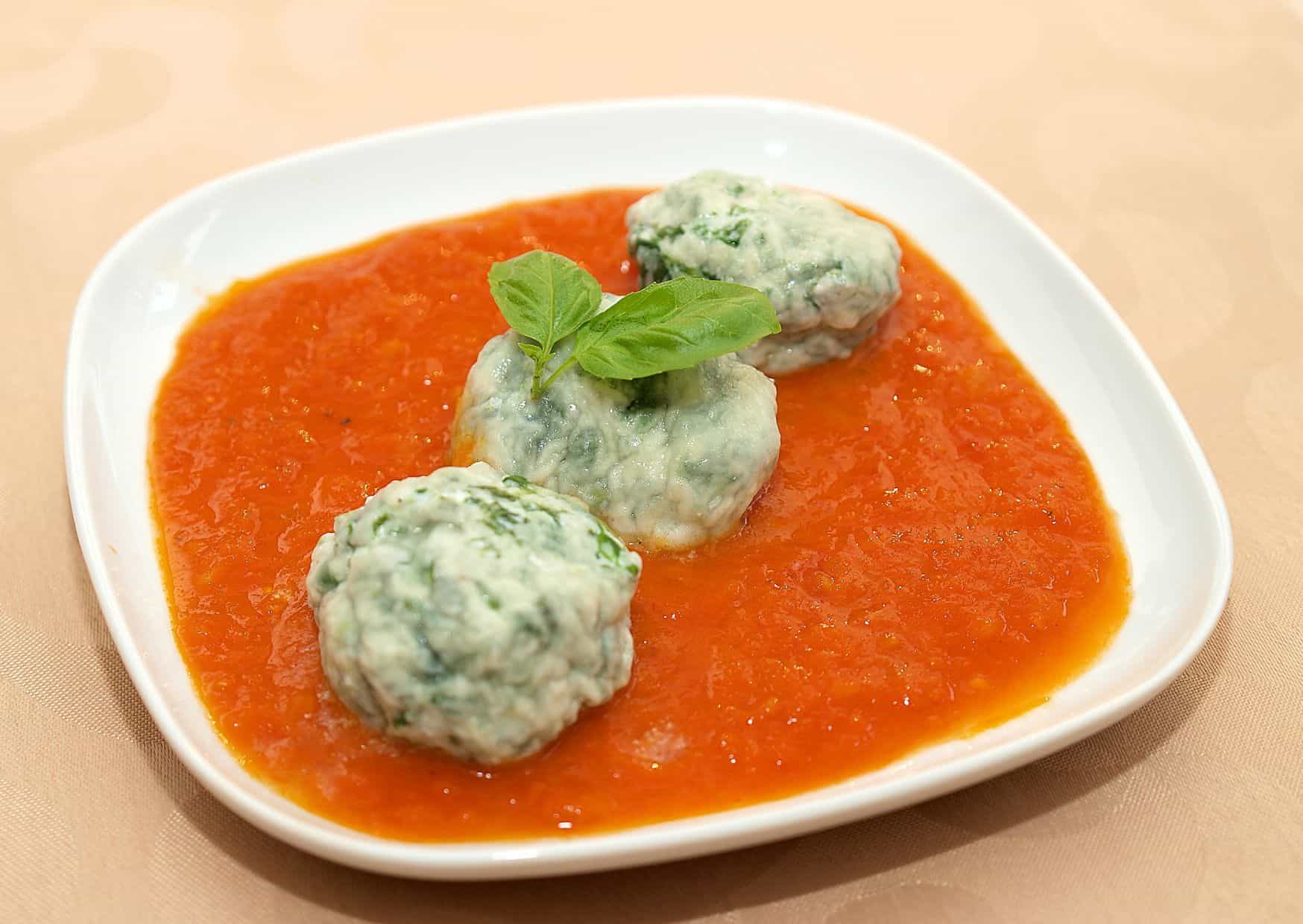
Think naked ravioli—ricotta and spinach dumplings without pasta.
Quick recipe: Mix ricotta, spinach, parmesan, egg, and a touch of flour. Roll into balls, boil gently, and serve with browned butter and sage or tomato sauce.
10. Polenta e Funghi (Northern Italy)
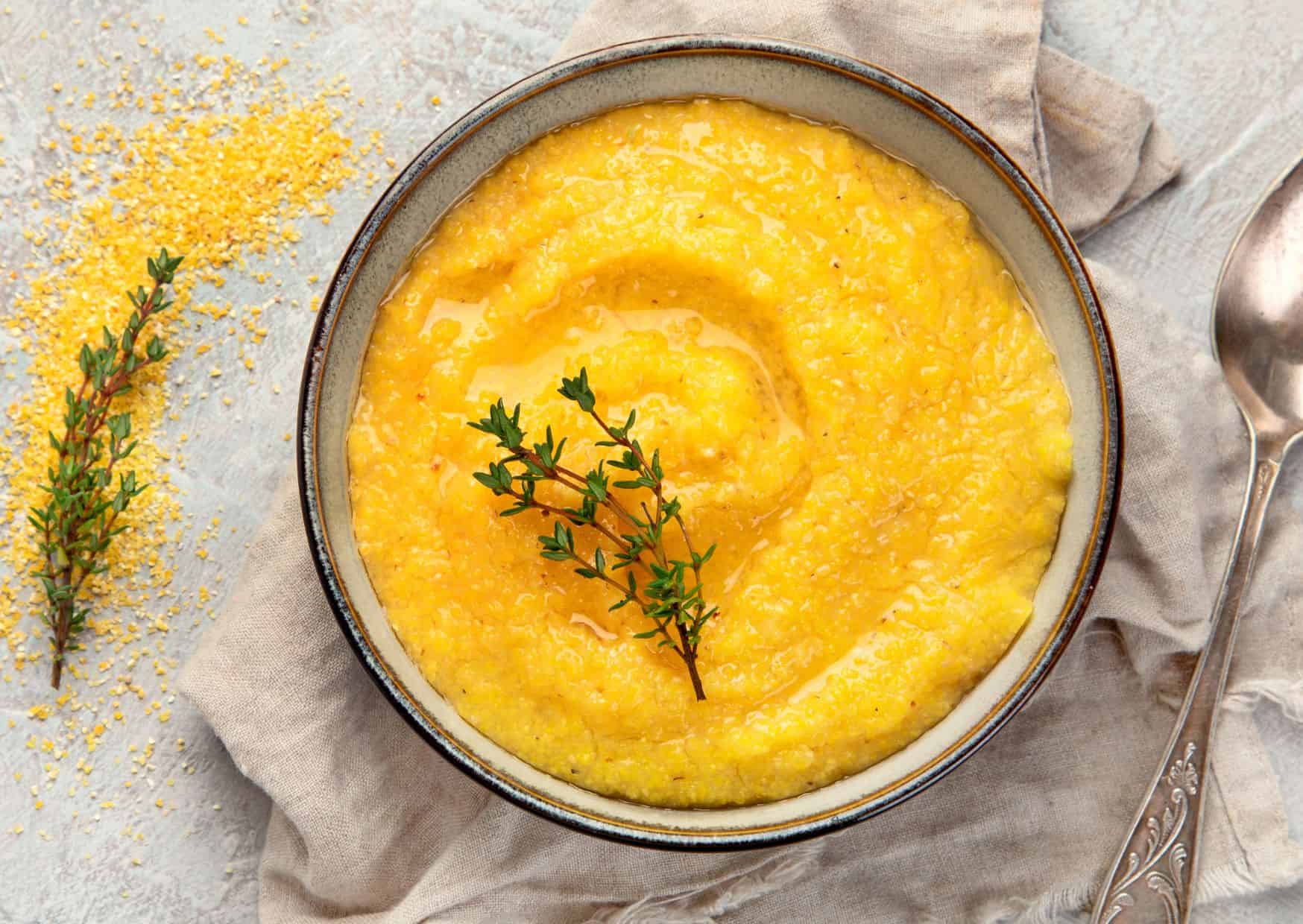
Creamy or grilled cornmeal polenta topped with sautéed wild mushrooms.
Quick recipe: Simmer cornmeal with broth or water. Separately, sauté mushrooms with garlic and thyme. Top polenta with mushroom mixture and a sprinkle of cheese.
11. Frico (Friuli-Venezia Giulia)
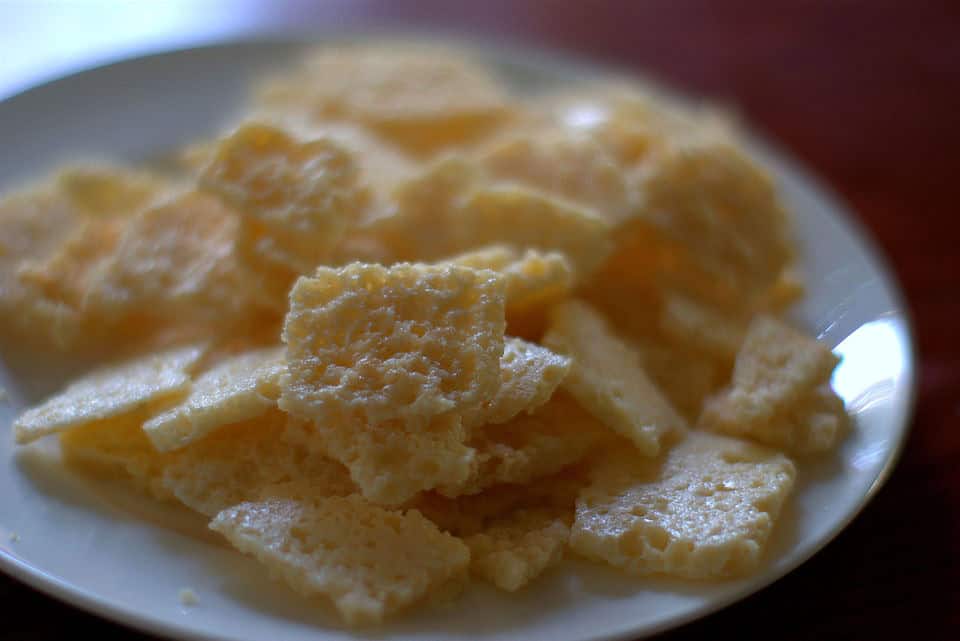
Crispy cheese pancakes made from fried Montasio cheese, sometimes with potatoes or onions.
Quick recipe: Grate cheese and mix with thinly sliced potatoes. Pan-fry until golden and crisp on both sides.
12. Torta Pasqualina (Liguria)
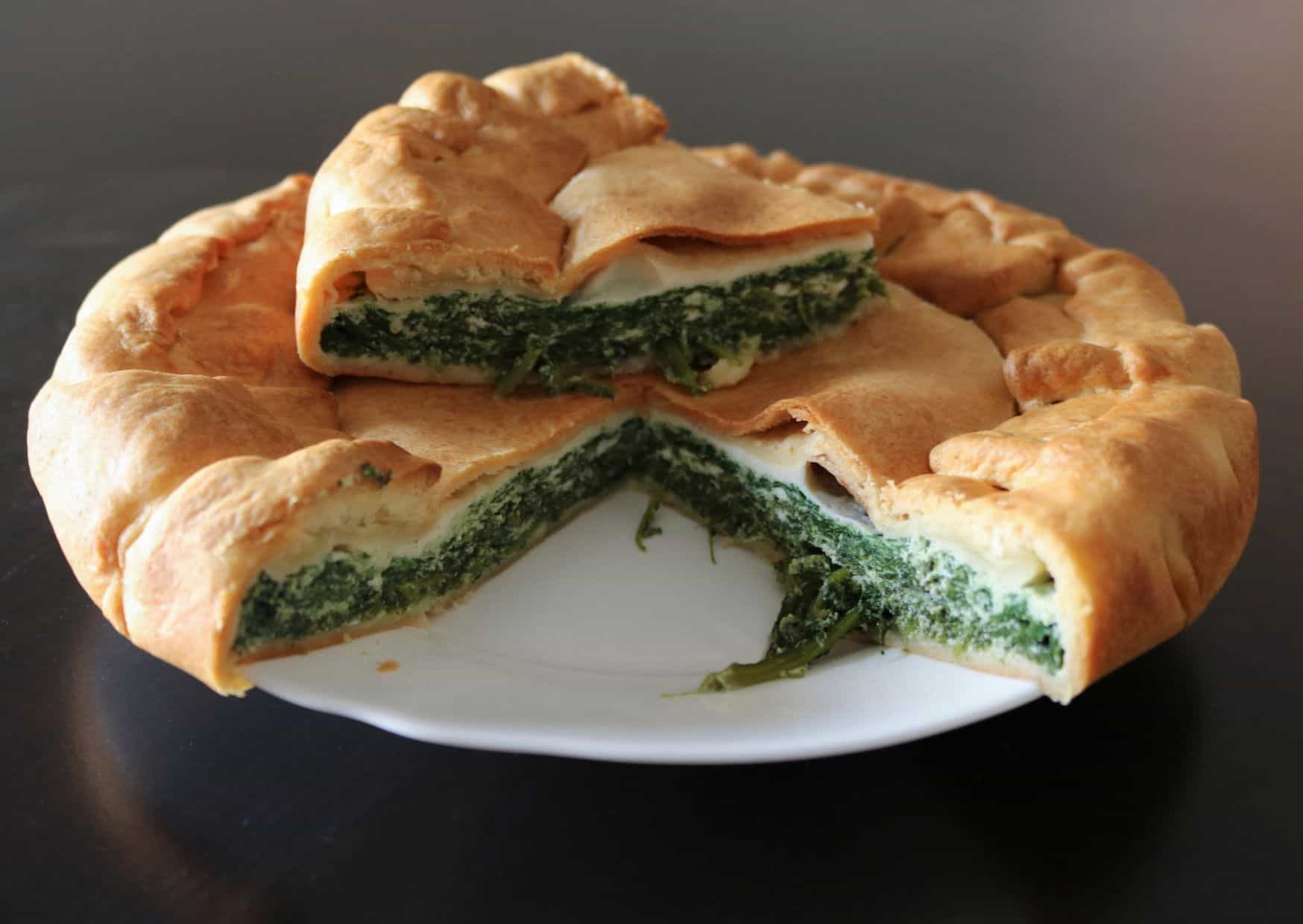
A savory Easter pie with layers of chard or spinach, ricotta, and eggs baked inside pastry.
Quick recipe: Fill puff pastry with sautéed greens, ricotta, parmesan, and whole eggs. Cover and bake until golden.
13. Zuppa di Farro (Tuscany/Umbria)
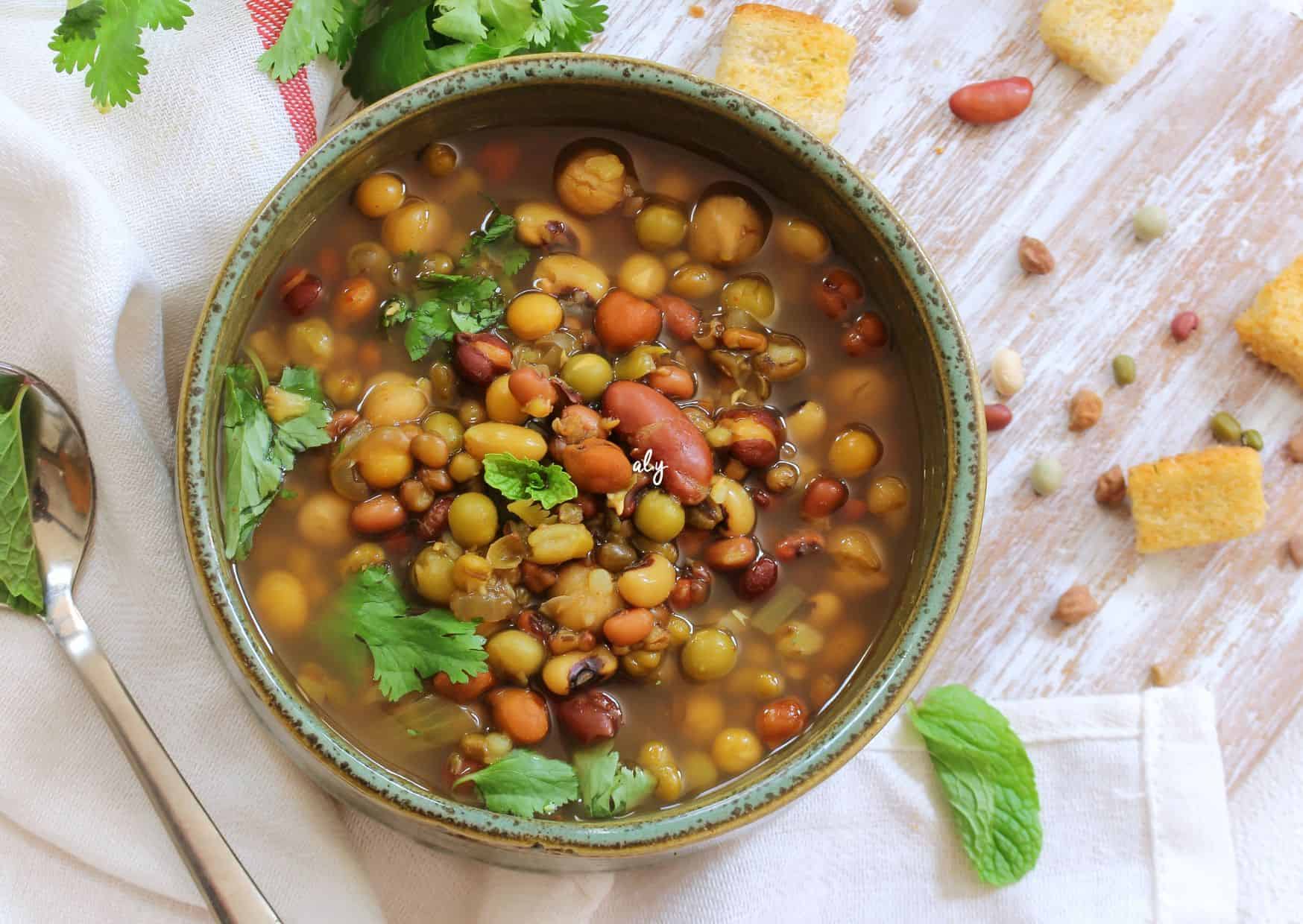
A nourishing spelt soup with beans and vegetables, often served in cooler months.
Quick recipe: Sauté onion, celery, and carrot. Add farro, white beans, broth, and herbs. Simmer until the grain is tender.
14. Sarde in Saor (Venice)
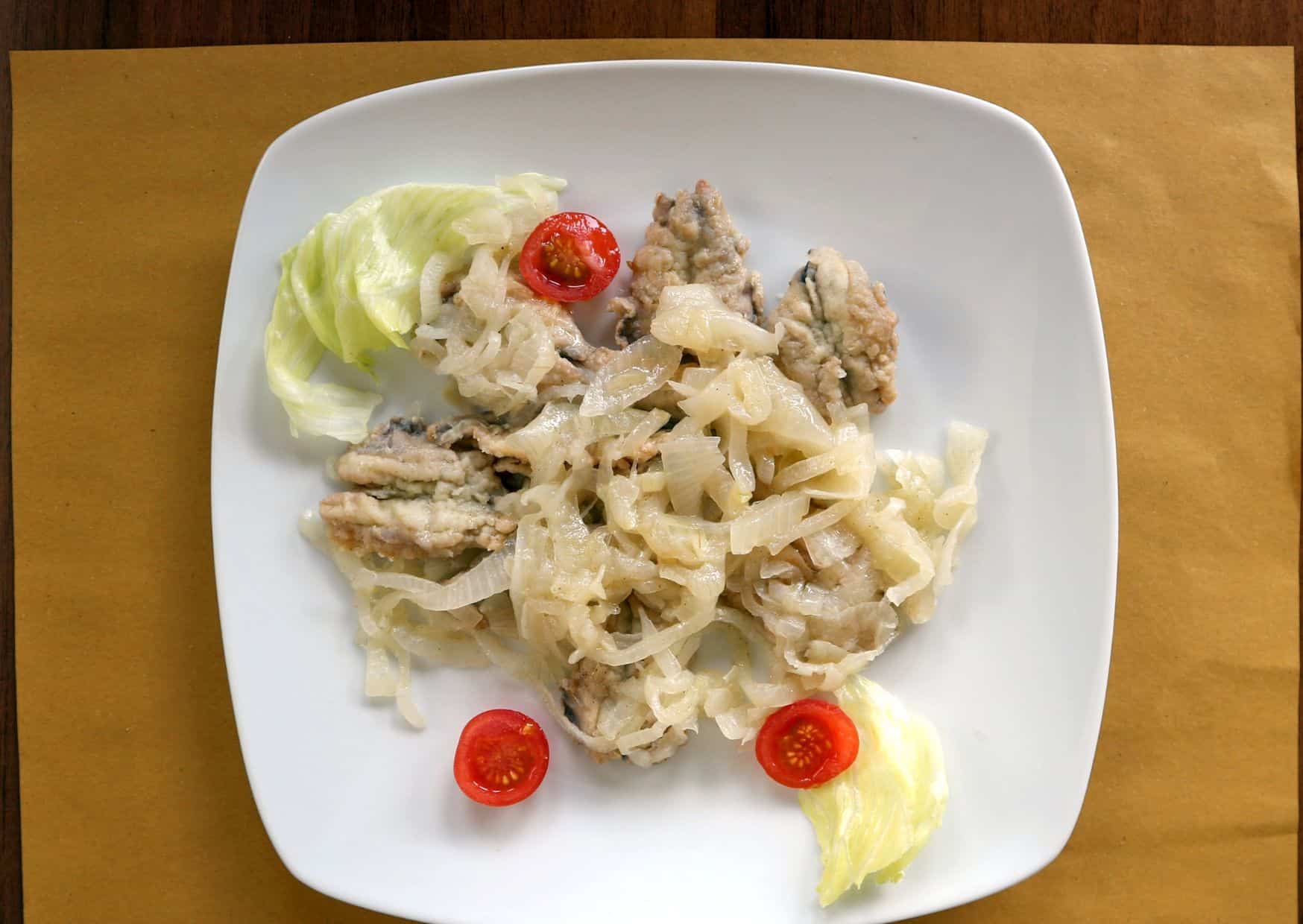
Marinated fried sardines layered with sweet-and-sour onions and raisins—a Venetian classic.
Quick recipe: Fry floured sardines. Separately, cook onions with vinegar, sugar, and raisins. Layer in a dish and marinate for 24 hours.
15. Torta della Nonna (Central Italy)
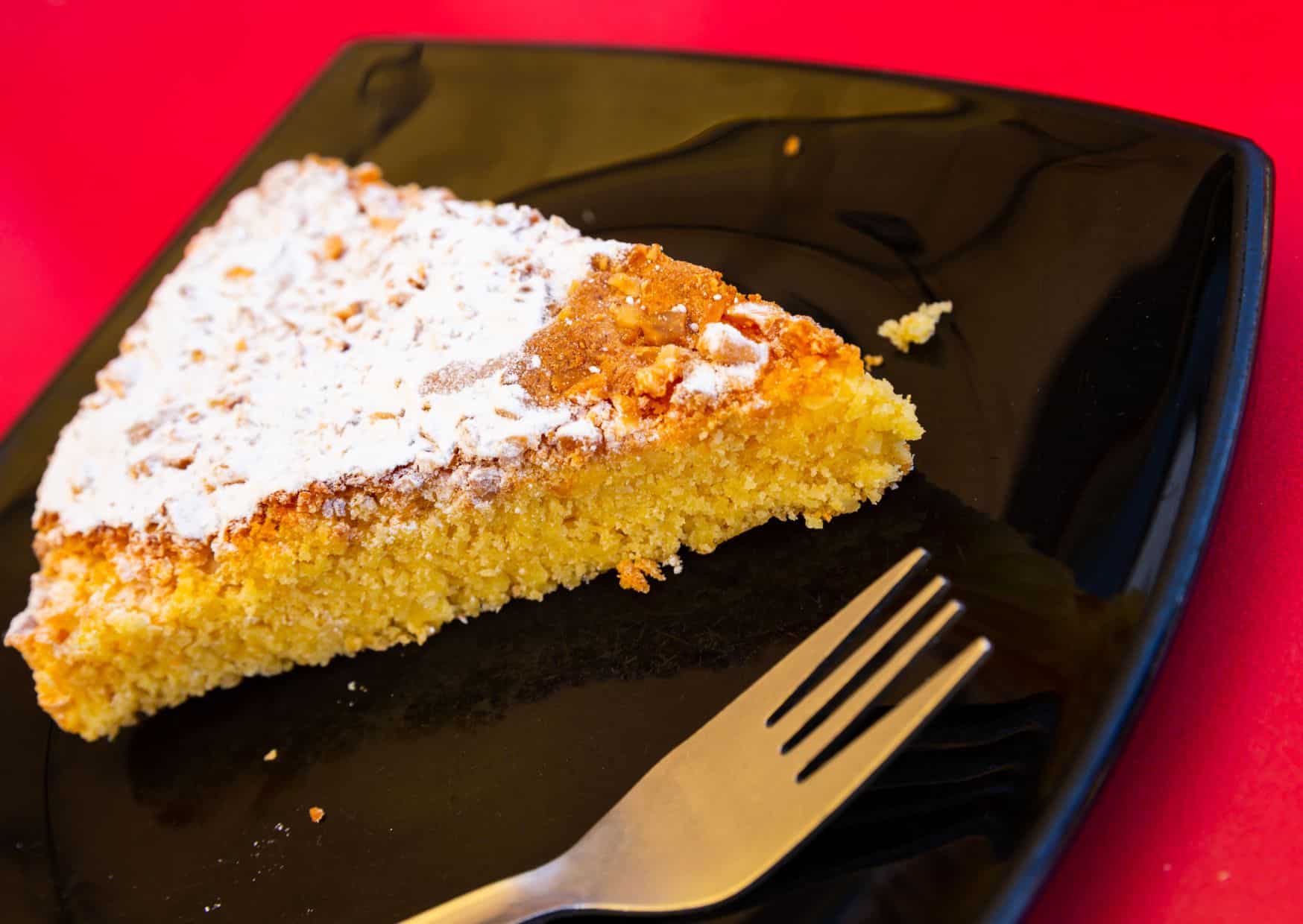
A custard-filled “Grandmother’s tart” topped with pine nuts and powdered sugar.
Quick recipe: Line a tart pan with pastry dough, fill with lemon-scented pastry cream, top with pine nuts, and bake. Dust with powdered sugar when cool.
Serving Suggestions
For casual dining, serve these dishes family-style at a large table, just as Italians often do. Passing bowls and platters encourages sharing and creates the warm, communal spirit central to Italian culture.
For more formal occasions, plate smaller portions elegantly, pairing each with its ideal wine or side dish. This transforms rustic recipes into refined dining experiences.
If you want to showcase variety, consider hosting an “underrated Italian dinner night,” where you feature a mix of regional dishes. It’s a great way to highlight Italy’s culinary diversity beyond the obvious classics.
Final Thoughts
There is nothing wrong with eating spaghetti in Italy. Some versions are incredible, and certain pasta dishes absolutely deserve their reputation. The point is not to avoid famous foods altogether. It is to stop treating them as the entire cuisine.
The more interesting way to eat through Italy is to let the region guide you. Ask what is local, look at what nearby tables are ordering, and be willing to choose something unfamiliar. That small shift can completely change the quality of your meals.
You may also discover that some of your favorite Italian foods are the ones you had never heard of before the trip. A rustic soup, braised meat dish, filled pasta, vegetable specialty, or regional street food can become far more memorable than another plate of spaghetti.
Italian food rewards curiosity because it is built on local identity. The ingredients, techniques, and traditions often make the most sense when eaten where they originated. That is why regional dishes can feel more meaningful than globally famous ones.
In the end, spaghetti may be the gateway, but it should not be the destination. Italy has too many dishes, regions, and traditions to stop at the familiar. If you want to understand the country through food, start ordering the things tourists usually overlook.

About the Author: Ruben, co-founder of Gamintraveler.com since 2014, is a seasoned traveler from Spain who has explored over 100 countries since 2009. Known for his extensive travel adventures across South America, Europe, the US, Australia, New Zealand, Asia, and Africa, Ruben combines his passion for adventurous yet sustainable living with his love for cycling, highlighted by his remarkable 5-month bicycle journey from Spain to Norway. He currently resides in Spain, where he continues sharing his travel experiences with his partner, Rachel, and their son, Han.