
Ask a Mexican grandmother what to do about a cold, a fever, a flu, or just a person who looks run down and sad, and she is unlikely to point you toward the pharmacy. She will point you toward the stove, because in Mexican homes the first and often the only prescription is a bowl of caldo de pollo, the hearty chicken soup that abuelas have trusted over medicine for generations. It is not delicate or refined. It is a big, honest, chunky pot of chicken and vegetables simmered in broth, rustic and generous, nothing fancy, and it is believed, with total conviction and a fair amount of evidence, to fix almost anything that ails you. Here is what caldo de pollo actually is, why grandmothers swear by it over pills, how it is served and why the toppings matter, when Mexicans reach for it, what it really means to the people raised on it, and exactly how to make a pot of your own. It is the most straightforward soup imaginable and, for millions of people, the most healing.
What follows is what the soup is, why it is trusted over medicine, the toppings that complete it, when Mexicans make it, why it means more than its ingredients, and how to make it.
What Caldo de Pollo Actually Is
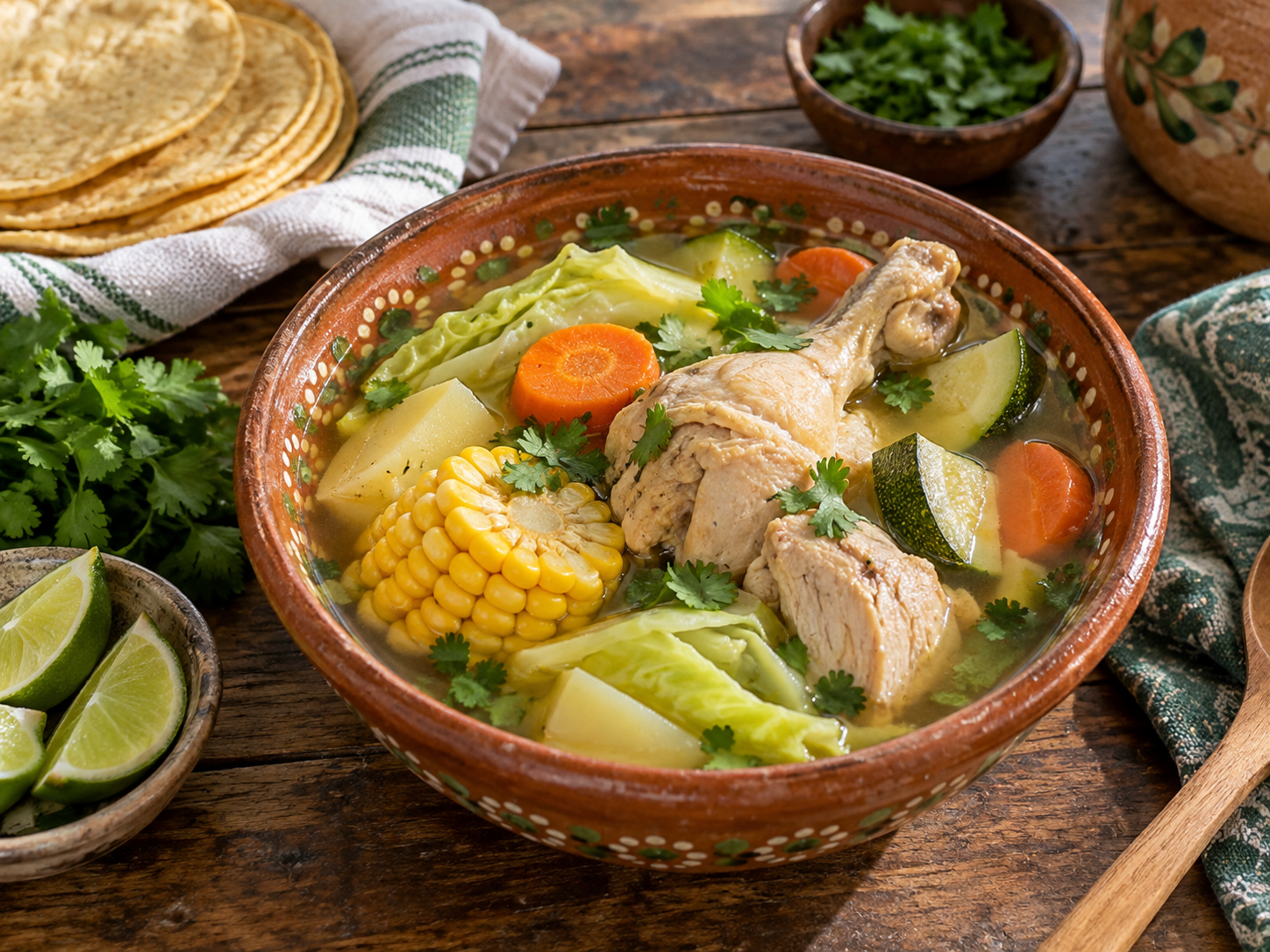
Caldo de pollo is Mexican chicken soup at its most generous and rustic, a world away from the thin, strained chicken broths of some other cuisines. At its heart is bone-in chicken simmered until tender in a simple, deeply flavored broth built on onion, garlic, and cilantro, and sometimes a little tomato. But what makes it caldo de pollo rather than mere chicken soup is the vegetables, which go in whole or in big chunks and turn it into a complete, substantial meal in a bowl. Depending on the region and the cook, you will find carrots, chayote, calabacita, the Mexican zucchini, potato, cabbage wedges, and often a few pieces of corn on the cob simmering in the pot, soft and sweet and soaked in the broth.
The result is a soup that is really a one-pot dinner, chunky and colorful and filling, the kind of thing you eat with a spoon in one hand and a warm tortilla in the other. It is humble food in the very best sense, built from inexpensive, everyday ingredients, a little chicken stretched with a lot of vegetables to feed a whole family well for very little money. It is the kind of resourceful, generous cooking that feeds many from not much, which is a skill grandmothers everywhere have perfected out of love and necessity both.
There is nothing clever or complicated about it, no special technique or hard-to-find ingredient; it is just good chicken and good vegetables simmered together with care until everything is tender and the broth has taken on all their flavor. That plainness is not a weakness but the entire point, the source of its power rather than a limit on it. A fancier soup could not do what this plain one does. Caldo de pollo is the food of ordinary Mexican kitchens, made the same unfussy way for generations, and its lack of pretension is exactly why it feels like home.
Why Grandmothers Trust It Over Medicine
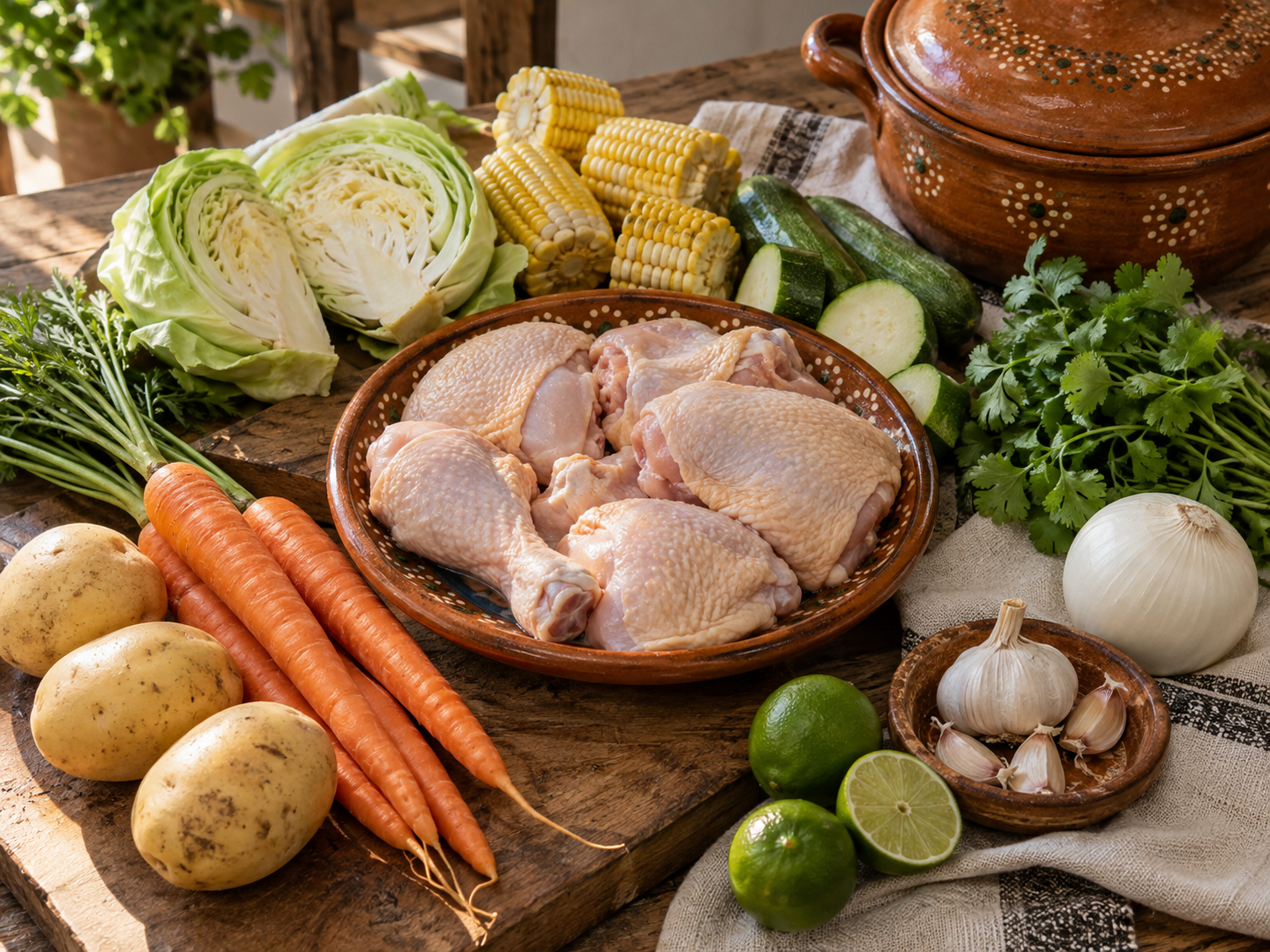
The abuela’s faith in caldo de pollo is not mere superstition; there is real substance behind it, which is why the trust runs so deep. On the purely physical level, it is close to ideal food for an unwell body. The long-simmered broth, rich with whatever goodness cooks out of the bones, is hydrating, warming, and gentle on a weak stomach; the soft, well-cooked vegetables deliver real nourishment in an easy-to-eat form; and a bowl of something hot, savory, salty, and nutritious is very often exactly what a sick or miserable person can actually manage when nothing heavier appeals at all. It meets a weak body precisely where it is. Science has slowly caught up to what grandmothers always knew, that a good pot of chicken soup genuinely helps you feel better when you are ill, and the Mexican version, loaded with vegetables, is about as nourishing as the category gets.
But the grandmother’s trust goes beyond the nutrition, into something closer to faith, and it is worth taking seriously on its own terms. In Mexican culture, caldo de pollo is simply what love looks like when someone is sick. The abuela does not make it because a study told her to, and she would be amused that anyone needed a study; she makes it because her own abuela made it for her, and because the simple act of simmering a pot of soup for a suffering person all afternoon is a direct, physical, unmistakable expression of care that no pill handed across a counter could ever match. The effort is part of the medicine. The patient, fed this soup, is not only nourished but tended to, watched over, loved back to health, and that attention is itself part of the cure.
When Mexicans say caldo de pollo is better than medicine, they are not being quaint. They are describing something real, that being cared for is healing, and that this soup is one of the purest forms that care takes. The pharmacy sells you a pill; the abuela gives you herself, in a bowl.
The Toppings That Complete the Bowl
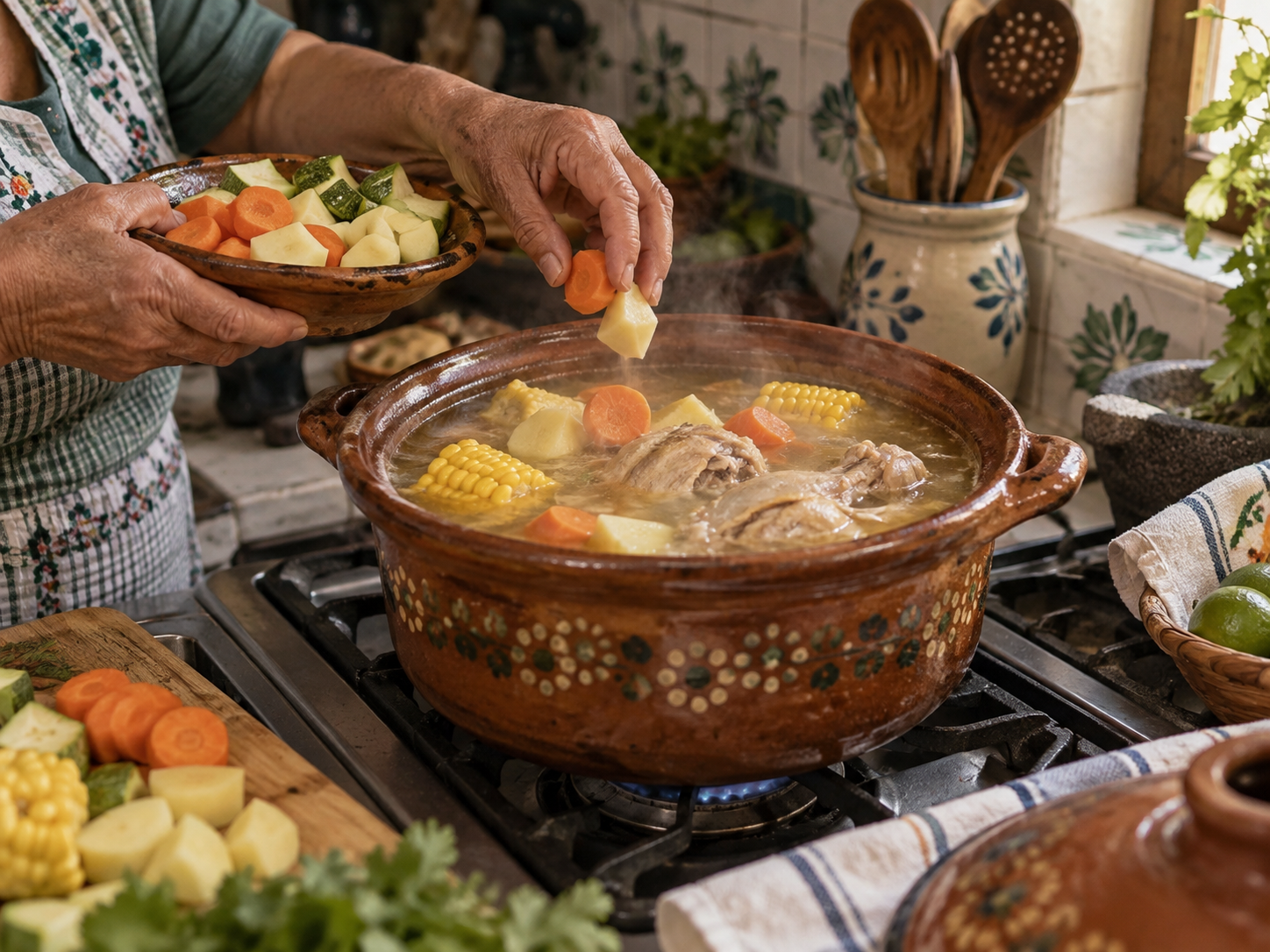
Here is a thing that surprises people new to the dish: the pot of caldo de pollo, as it comes off the stove, is only part of the experience, because the real magic happens at the table when each person dresses their own bowl. The soup arrives hot and the toppings come alongside, and building your bowl is part of the ritual and the pleasure. The first and most essential move is to spoon in a mound of fluffy white rice, which is almost always served alongside and added right into the soup, soaking up the broth and turning the dish even more substantial.
Then come the fresh finishes that wake the whole thing up. A generous squeeze of fresh lime is non-negotiable for most Mexicans, its bright acidity cutting through the rich broth and lifting every flavor; a bowl of caldo without lime is, to many, simply unfinished.
Chopped raw onion and fresh cilantro scattered on top add bite and freshness. For heat, there is chopped fresh chile, a serrano or jalapeno, or a spoonful of salsa, as much or as little as each eater likes. And always, on the side, a stack of warm corn tortillas, for wrapping up bites of chicken, scooping up soft vegetables, or simply tearing and dipping straight into the hot broth. In many Mexican homes the tortilla is the spoon as much as the utensil is. The beauty of this build-your-own approach is that one pot becomes everyone’s favorite version, the child’s mild and plain, the grandfather’s loaded with chile, each bowl personal, and the squeeze of lime at the end the small ritual that signals the soup is finally ready to eat.
When Mexicans Reach for It
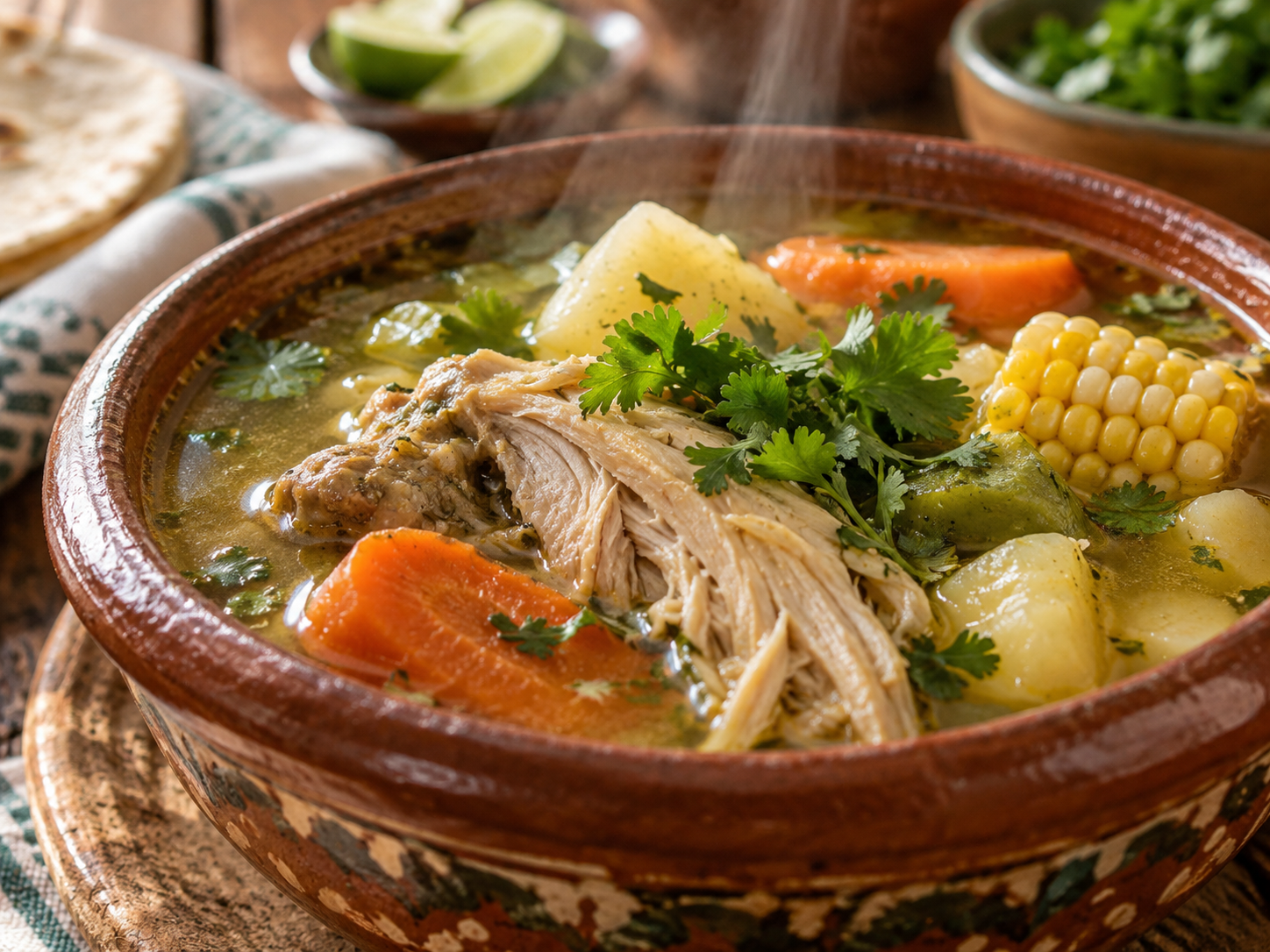
Caldo de pollo has its moments, and knowing them tells you what the soup means. The first, of course, is sickness, its most sacred role: when anyone in the family falls ill, the pot comes out, and the sick person is fed caldo until they are well, no questions asked. But its reach extends across the whole of life. It is a classic Sunday soup, the big, steaming, comforting pot that brings a whole family together around the table on the one slow day of the week, when there is finally time to simmer something properly and gather everyone to eat it. The soup is the occasion as much as the meal. It is cold-weather and rainy-day food, exactly right when the weather turns and everyone wants something warm and filling.
It has a particular and beloved role as a restorative too, a famous remedy for a rough morning after too much celebration, the kind of hot, salty, nourishing bowl that Mexicans trust to levanta muertos, to raise the dead, bringing a hungover body back to life. And underneath all of these specific occasions, it is simply a staple, a cheap and wholesome way to feed a family a complete meal, made on an ordinary weeknight because it is good and economical and everyone loves it. In every one of these moments, the thread is the same: caldo de pollo is the soup of care and comfort, the thing a Mexican kitchen produces whenever a body or a spirit needs tending, whether that body is sick, cold, hungover, or just hungry for the taste of home.
More Than Medicine
It is worth naming what caldo de pollo truly is to the people who grew up on it, because the recipe alone does not capture it. This soup is woven into the deepest memories of Mexican family life, the taste of a grandmother’s kitchen, of being small and sick and cared for, of Sundays around a crowded table. For the enormous number of Mexicans and Mexican-Americans living far from where they grew up, a pot of caldo de pollo is one of the most powerful ways back home there is, a smell and a taste that collapses the distance and puts them, instantly and completely, back in an abuela’s warm kitchen on a Sunday afternoon, and it is one of the very first dishes a homesick person learns to make for precisely that reason. Cooking it is a way of visiting home when you cannot go.
That is the real power of a soup like this, and it is why the grandmothers are right to trust it over medicine. What it delivers is the oldest medicine there is, the knowledge that someone cares enough to spend an afternoon making you something nourishing and warm. A pill treats a symptom; a pot of caldo de pollo treats the whole person, body and spirit at once, which is precisely what the abuela understood all along.
So when you make this soup, for someone who is sick or sad or simply in need of comfort, understand that you are doing more than cooking. You are joining a long line of grandmothers who knew that the surest cure is to take humble ingredients and a little time and turn them into a bowl that says, without a single word, I am taking care of you, now eat, and feel better. That is why it works. Here is how to make it.
Make It: Caldo de Pollo
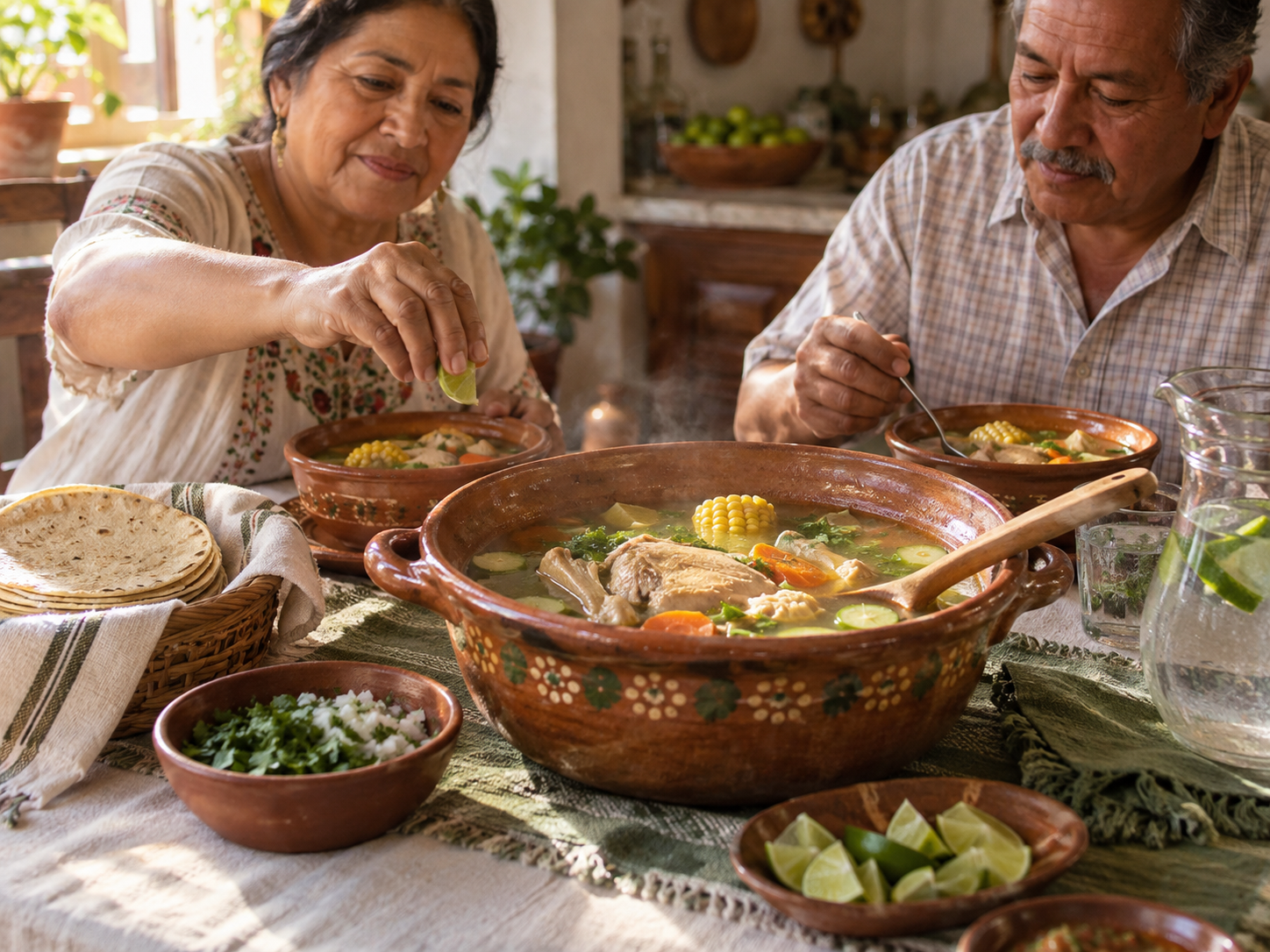
This makes a big, generous, family-sized pot, exactly as it should be. It is forgiving and nearly impossible to ruin; use whatever vegetables you have and like, and do not skip the lime and warm tortillas at the table.
Serves 6. About 20 minutes of prep and 45 minutes of cooking.
Ingredients:
- About 1 kg (2 lb) bone-in chicken pieces (thighs, legs, and breast all work)
- 2.5 liters (about 10 cups) water or chicken broth
- 1 onion, halved, plus extra chopped for serving
- 4 cloves garlic
- A small bunch of cilantro, plus extra chopped for serving
- 2 carrots, cut into chunks
- 2 potatoes, peeled and quartered
- 1 chayote, peeled and cut into chunks (or more zucchini)
- 2 calabacitas (zucchini), cut into thick chunks
- 2 ears of corn, cut into thick rounds
- A few wedges of cabbage, optional
- Salt and pepper
To serve:
- Cooked white rice
- Lime wedges
- Chopped onion and cilantro
- Chopped fresh chile (serrano or jalapeno) or salsa
- Warm corn tortillas
Instructions
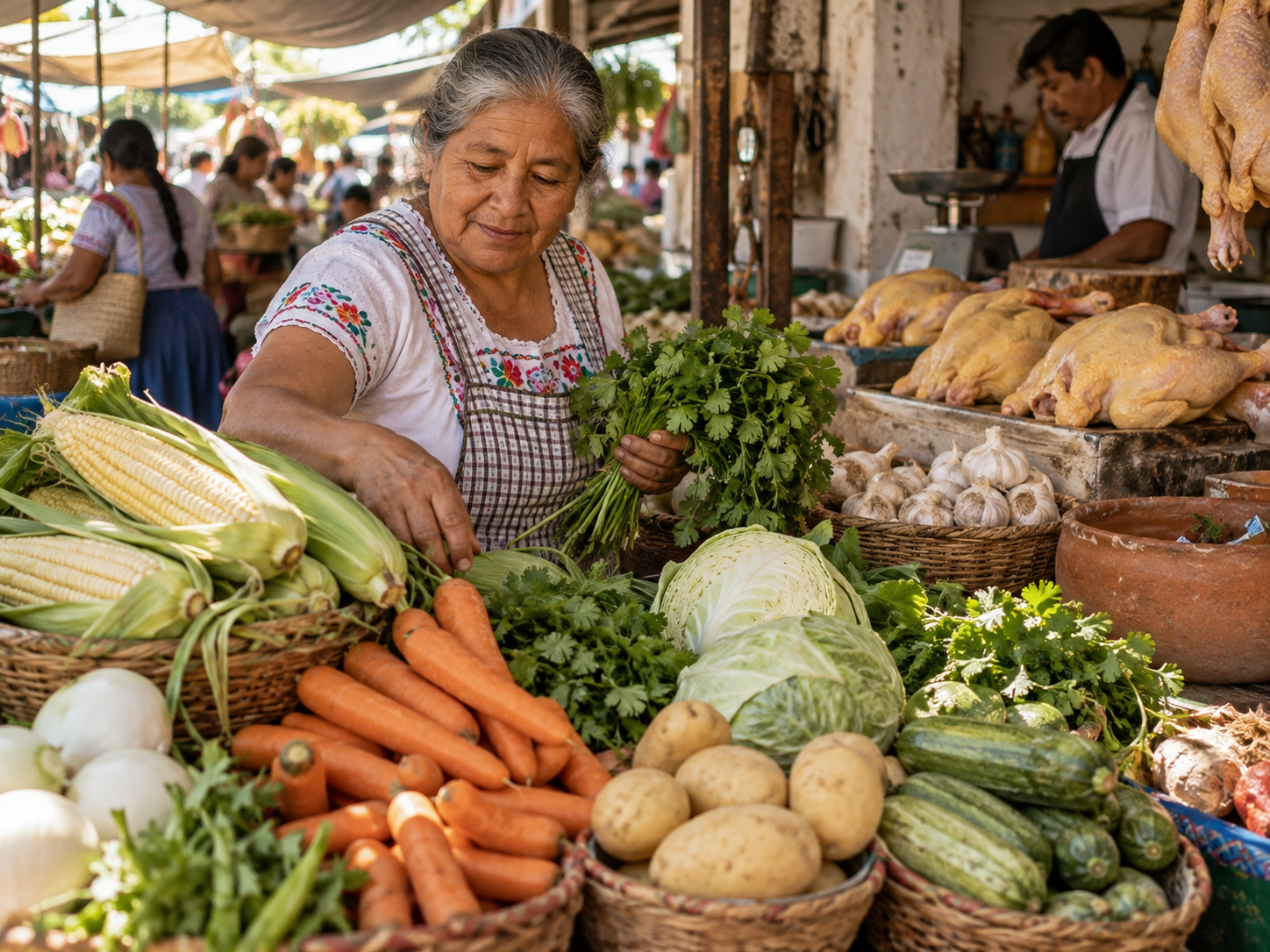
- Put the chicken in a large pot with the water or broth, the halved onion, the garlic, the bunch of cilantro, and a good amount of salt. Bring to a boil, then skim off any foam that rises to the top.
- Lower the heat and simmer gently for about 20 minutes, until the chicken is nearly cooked and the broth is flavorful.
- Add the carrots, potatoes, chayote, and corn, which take longest, and simmer for another 10 minutes.
- Add the calabacitas and cabbage, which cook faster, and simmer for a final 10 to 15 minutes, until all the vegetables are tender and the chicken is cooked through and falling off the bone. Taste the broth and adjust the salt and pepper; it should be well seasoned.
- Fish out and discard the spent onion, garlic, and cilantro bunch if you like, or leave them.
- To serve, spoon a mound of white rice into each bowl, then ladle in the broth, chicken, and vegetables over it. Put the lime wedges, chopped onion and cilantro, chile or salsa, and warm tortillas on the table, and let everyone dress their own bowl. The squeeze of lime at the end is essential. Serve very hot, to whoever needs it most.
A note on making it yours: caldo de pollo is endlessly flexible, so use the vegetables you have and love, more or fewer, and adjust the chicken to what you can get. The non-negotiables are a good, well-salted broth, tender vegetables, the rice spooned in, and the lime, onion, cilantro, and tortillas at the table. Get those right and the rest takes care of itself, the way it has in Mexican kitchens for generations.

About the Author: Ruben, co-founder of Gamintraveler.com since 2014, is a seasoned traveler from Spain who has explored over 100 countries since 2009. Known for his extensive travel adventures across South America, Europe, the US, Australia, New Zealand, Asia, and Africa, Ruben combines his passion for adventurous yet sustainable living with his love for cycling, highlighted by his remarkable 5-month bicycle journey from Spain to Norway. He currently resides in Spain, where he continues sharing his travel experiences with his partner, Rachel, and their son, Han.