The photo that starts the dream is always the same: a honey-stoned house in a sleepy French village, shutters the color of lavender, a price tag that makes an American do a double take. Sixty thousand euros. Less than a down payment back home.
The Bernards, a composite couple assembled from the real patterns of many Americans who have chased exactly this fantasy, saw a house like that, fell hard, and bought it. Three years later they are glad they did, mostly, but the number they paid at the start turned out to be the smallest part of the story. Here is the honest, fully-loaded total of what that charming village house actually cost them over three years, the fees, the renovation, the taxes, the upkeep, and the hard truth about getting out, with every figure a representative illustration rather than any single real ledger, so you can see exactly what the irresistible listing price hides. It is a lovely dream, and it costs roughly triple what the photo suggests.
What follows is the purchase that was only the beginning, the fees nobody mentions, the renovation that cost more than the house, the ongoing bills, and the real three-year total.
The 60,000 Euros Was Just the Deposit on Reality
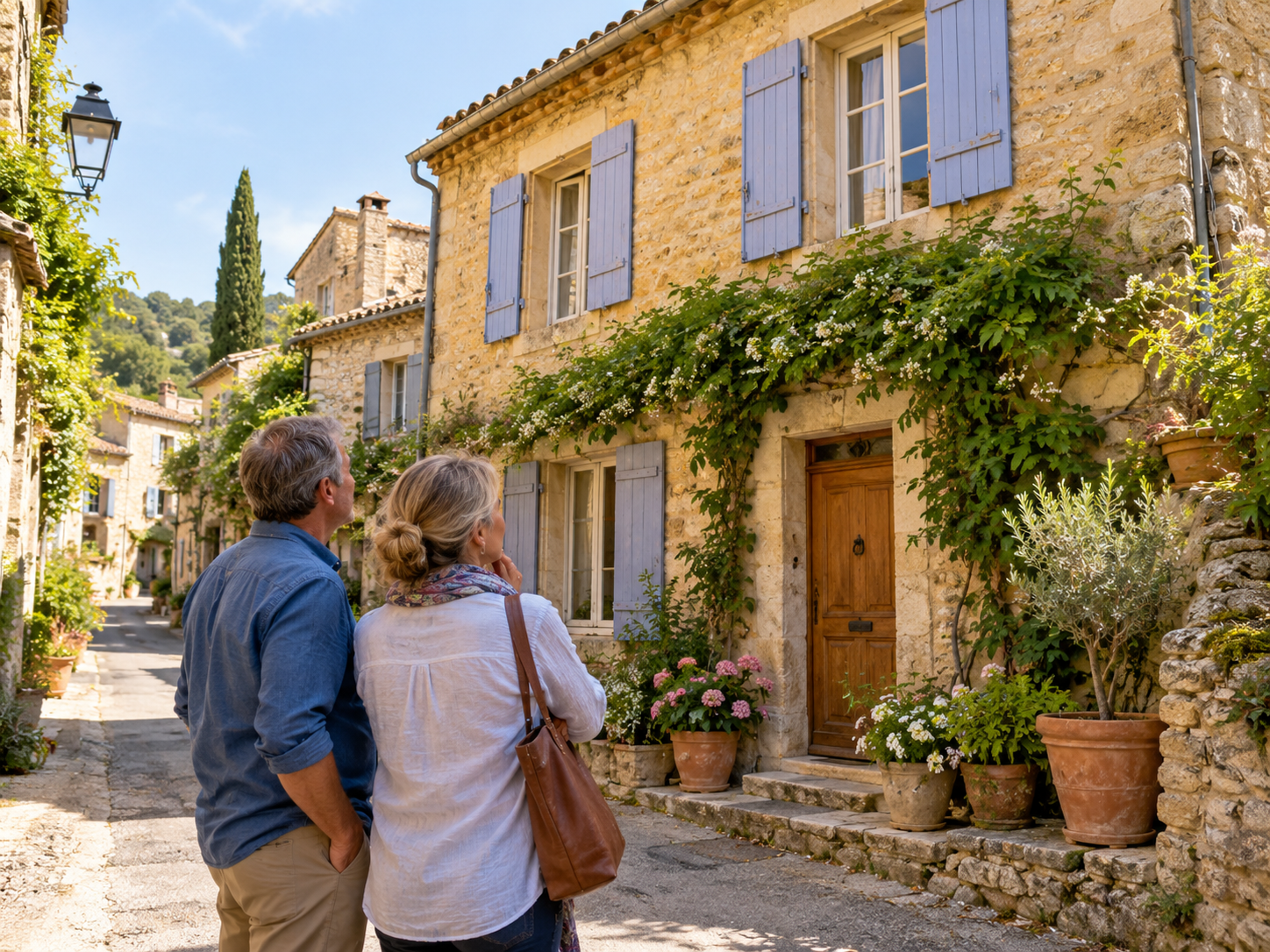
Start with the seductive headline: the Bernards bought their stone village house for sixty thousand euros, a genuinely real price in rural France, where villages emptied of young people are full of old houses selling for a fraction of anything comparable in America. That part of the dream is true, and it is why these listings go viral. A solid, characterful stone house in a pretty French village really can be had for the price of a modest used car, and for a couple used to American property prices and American closing costs, that sticker is genuinely intoxicating, the kind of number that makes you start browsing flights before you have thought it through. That intoxication is precisely the thing to be a little suspicious of.
But here is the thing the glossy articles rarely say plainly: in a project like this, the purchase price is often the smallest line in the whole budget. The Bernards, like most people who buy a cheap old house, were not buying a finished home; they were buying a shell with potential, a starting point, and everything that turned that shell into a livable, comfortable home came on top, along with the fees to buy it and the taxes to keep it. By the time they tallied it all up three years later, the sixty thousand euros looked almost quaint, a down payment on a far larger number. That gap, between the romantic listing price and the real all-in cost of a finished, livable home, is the single most important thing for any starry-eyed dreamer to understand before they fall in love with a photo, and it is precisely where almost all of the unpleasant surprises live. Understand the gap, and the dream stays a dream; ignore it, and the dream becomes a budget crisis in a foreign language.
The Fees Nobody Puts in the Dream
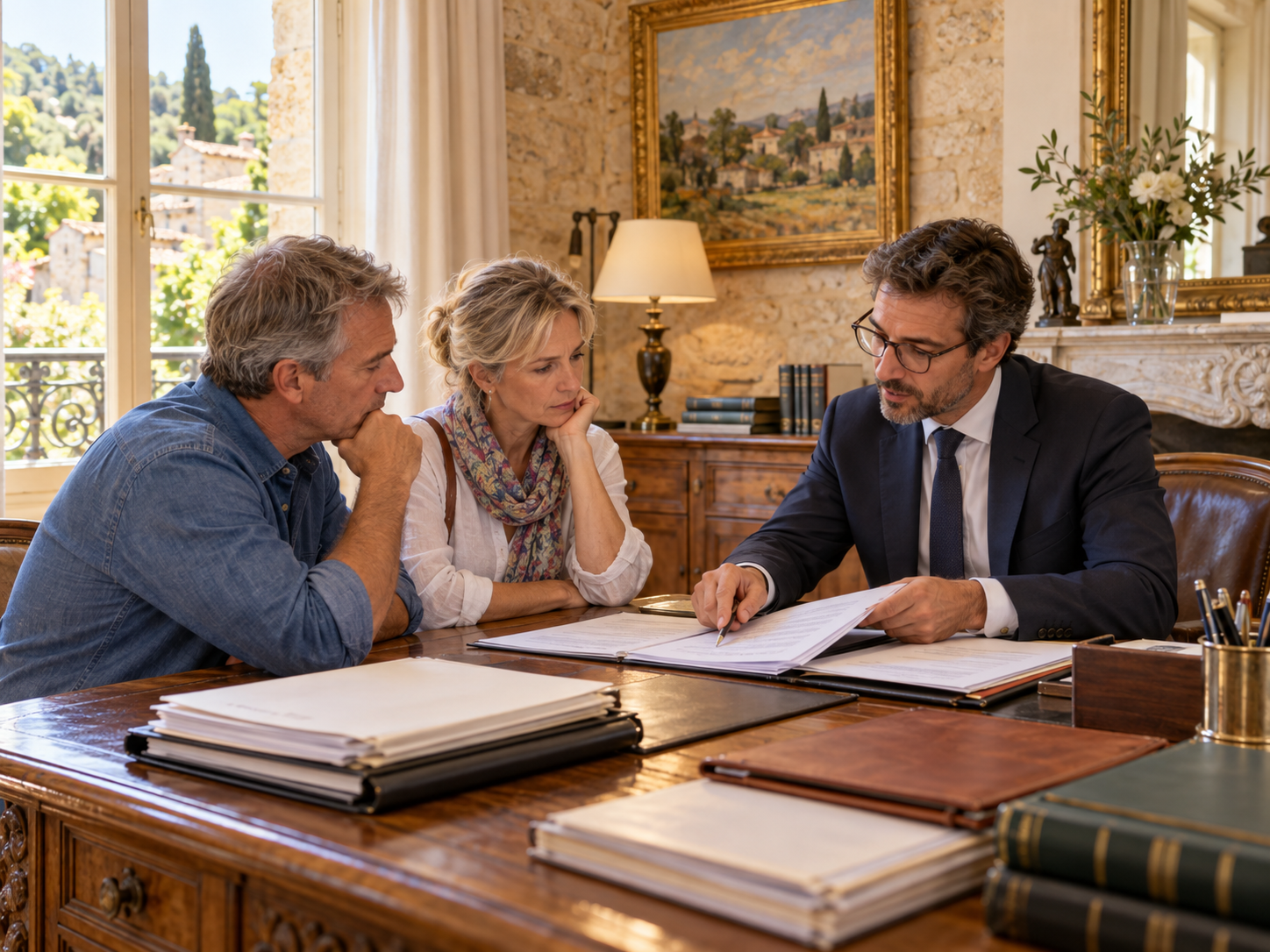
The first layer on top of the price hit immediately, at the moment of purchase, in the form of France’s famous frais de notaire, the closing costs collected by the notaire who handles every French property sale. On an older existing home, these run roughly seven to eight percent of the purchase price, and despite the name, most of that money is not the notaire’s fee at all but transfer taxes and registration costs paid to the French state. On the Bernards’ sixty-thousand-euro house, that meant around forty-five hundred euros gone the day they signed, before they had touched a thing.
If they had bought through an estate agent, agency fees could have added several percent more on top of everything, though in France these are sometimes folded into the displayed price and marked accordingly. Either way, the Bernards learned early that every step of simply acquiring the house carried a cost, and that the tidy sixty-thousand figure was already growing before they owned a thing. So before any renovation, before any furniture, before a single night slept in the house, the real cost of acquiring it was already well above the headline, pushed up by thousands in unavoidable transaction costs that no listing photo ever mentions. This is the first hard lesson of cheap French property: the price you see is never the price you pay to own it, and the gap is immediate and non-negotiable. It is not a scam or a surprise to the French; it is simply how the system works, and it is exactly the kind of cost an American, used to much lower closing fees, tends to underestimate badly when running the fantasy numbers in their head.
The Renovation That Cost More Than the House
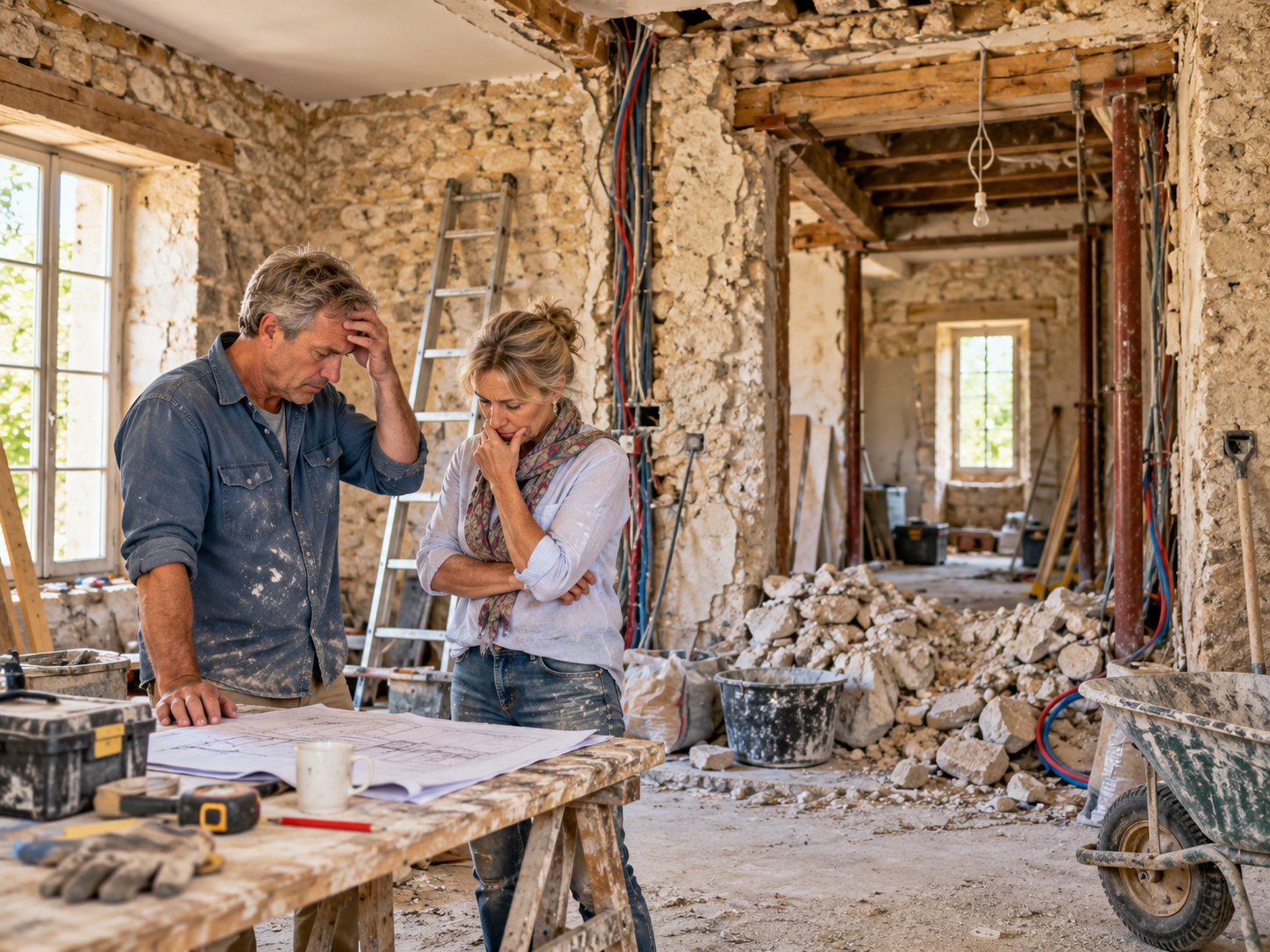
Here is where the real money went, and where almost every cheap-old-house dream meets its reckoning: the renovation. An inexpensive village house is cheap precisely because it needs work, often a great deal of it, and the Bernards’ house was no exception, wanting everything from a new roof section and rewiring to plumbing, heating, insulation, a usable kitchen, and a bathroom that belonged in this century. Renovating an old French stone house runs around one to two thousand euros per square meter, which means that bringing even a modest house up to a comfortable modern standard can easily cost as much as the house itself, and frequently far more.
For the Bernards, the renovation quickly became the dominant line in the entire budget, dwarfing the purchase price, and like nearly everyone who takes on an old house, they found it cost noticeably more and took considerably longer than they had planned, as hidden problems surfaced the moment walls were opened, old wiring was traced, and damp was discovered, each surprise nudging the estimate upward.
The house kept revealing new needs, and each one had a price. This is the universal, iron truth of cheap-house projects everywhere, in rural France or Italy or Spain or anywhere else the romantic bargains beckon: the low purchase price is the lure, and the renovation is where the real money disappears, often doubling, tripling, or more than quadrupling the total invested in the property before it is comfortable to live in. The cheaper and more charming the ruin, the bigger the renovation bill tends to be, which is a paradox worth tattooing on the arm of anyone shopping these listings. Anyone seduced by a sixty-thousand-euro house must understand, before they fall any further, that the sixty thousand is the entry fee; the renovation is the actual price of admission to a warm, dry, comfortable, modern home. Skip that understanding, and the lovely bargain quietly becomes the most stressful and expensive thing you have ever taken on, in a country whose building trades you cannot yet navigate in a language you may not yet speak. The Bernards do not regret it, but they are candid that the renovation, not the purchase, was the real financial event.
The Bills That Never Stop
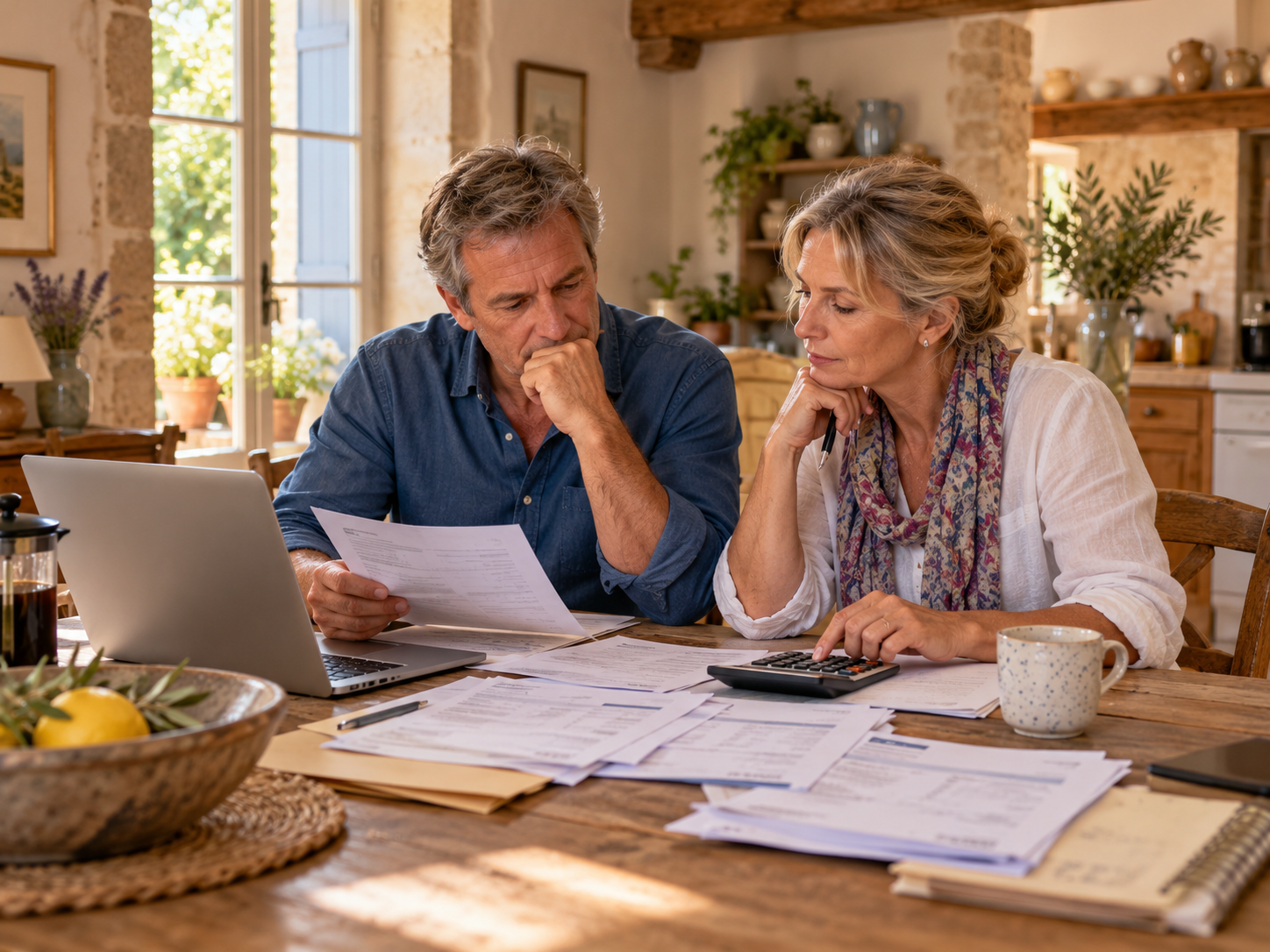
Beyond the one-time costs of buying and renovating, owning the house brought a steady stream of ongoing expenses that continue for as long as they hold it. The main one is the taxe fonciere, France’s annual property tax, which every owner pays without exception, and which for a rural village house typically runs somewhere from a few hundred to around a thousand euros a year depending on the commune and the local rate. It arrives every autumn, a yearly reminder that the house, however charming, is never quite finished asking for money. Because the Bernards use the house as a second home rather than a primary residence, they also owe the taxe d’habitation, which has been abolished for main residences in France but still very much applies to second homes, and which in some sought-after or housing-pressured communes carries a hefty surcharge of up to sixty percent on top. A holiday house, it turns out, is taxed more heavily than a home, precisely because it sits empty much of the year in places where locals need housing.
Add to those the ordinary costs of keeping an old house standing, insurance, utilities, and the perpetual maintenance that a centuries-old stone building demands, and the house generates real bills every single year, whether or not the Bernards are even there to enjoy it. None of these bills individually is enormous, but together they form a permanent annual drag that the romantic version of the dream never once mentions, and over three years of ownership they quietly added up to another meaningful chunk of money, paid out year after year regardless of how little time the Bernards actually managed to spend in the house. An empty second home still costs money every single month it sits there. The lesson is that a house abroad is never a one-time purchase but an ongoing commitment, a living thing that keeps quietly asking for money year after year whether you visit it or not, and that the true cost of ownership only becomes fully clear once you have lived with those recurring bills through several annual cycles. The photo captured a single beautiful moment; the ownership is a long, expensive relationship.
The Exit Is Expensive Too
There is one more cost that does not show up on any annual bill but hangs over the whole venture, and it is worth knowing before you buy rather than discovering it if you ever want out: selling a French house is expensive and often slow. The Bernards have no plans to sell, but had the dream soured, as it does for plenty of buyers, getting their money back out would have been its own painful exercise. A rural village house can be genuinely hard to sell, sitting on the market for a year or more in a thin, local buyer pool, which is the flip side of the cheap prices that made it attractive in the first place.
And if it did sell for more than they paid, France would take a substantial bite of the gain. French capital-gains tax on a property that is not your main residence runs to a flat income-tax rate plus social levies that together reach roughly thirty-six percent of the taxable gain, with an extra surtax on larger gains, and American sellers get few of the exemptions that longer-term or resident owners enjoy. Factor in that renovation money rarely returns euro-for-euro in the sale price, and the honest picture is that a cheap French house is easy and romantic to buy but costly, taxed, and sometimes slow to unwind. This is exactly why the old advice to rent before you buy matters so much here: ownership in rural France is close to a one-way door, cheap to walk through and expensive to walk back out of, so you want to be genuinely certain before you step inside.
The Real Three-Year Total
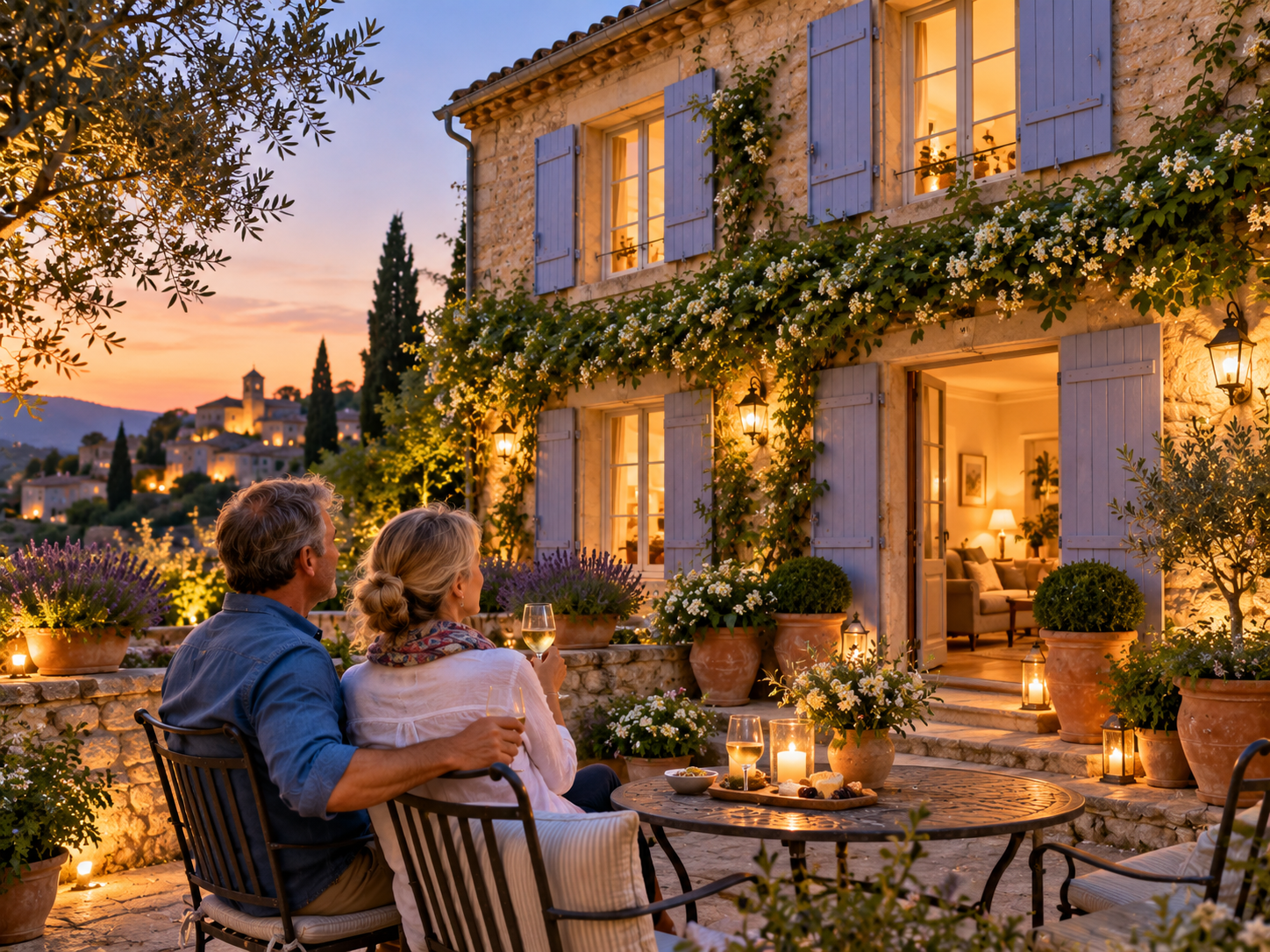
So what did the sixty-thousand-euro dream house actually cost the Bernards over three years, all in? When you stack it all up, the purchase price, the notaire fees, the renovation that ran well beyond the cost of the house, and three years of property taxes, insurance, utilities, and maintenance, the real total lands two to three times the purchase price or more by the time the house was finally finished and three full years of ownership were behind them. The sixty-thousand-euro house was, in plain truth, a project that cost well over a hundred and fifty thousand before it was done and lived in. The sixty thousand euros that started the whole adventure turned out to be a fraction, perhaps a third or less, of what they genuinely spent to own and enjoy that village house.
This is not a cautionary tale meant to kill the dream, because the Bernards, in our composite, love their French house and feel the money bought them something real: a beautiful, characterful home in a village they genuinely adore, at a total cost that, while far above the seductive listing, would still buy nothing remotely comparable in much of America. The dream was real; it was just three times more expensive than the photo promised, which is a very different thing from being a lie.
The point is simply honesty, the kind the viral listings and the dreamy television shows never quite provide. If you are seduced by those irresistible photos of cheap French village houses, go in with your eyes open to the real arithmetic: the purchase price is the beginning, not the total; the fees are immediate and unavoidable; the renovation is usually the biggest number by far and almost always exceeds the estimate; and the taxes and upkeep never stop.
Budget for the real all-in figure, two to three times the sticker or more, and the dream can be wonderful and worth every euro. Budget only for the sticker, and the dream becomes the financial shock that sends disillusioned buyers fleeing. The house really can be a genuine bargain, and the Bernards would do it all again; you just have to know, going in, what the bargain actually costs once every line is counted, and plan for that real number rather than the seductive one on the sign. Priced honestly, it is still a wonderful deal; priced naively, it is a trap.

About the Author: Ruben, co-founder of Gamintraveler.com since 2014, is a seasoned traveler from Spain who has explored over 100 countries since 2009. Known for his extensive travel adventures across South America, Europe, the US, Australia, New Zealand, Asia, and Africa, Ruben combines his passion for adventurous yet sustainable living with his love for cycling, highlighted by his remarkable 5-month bicycle journey from Spain to Norway. He currently resides in Spain, where he continues sharing his travel experiences with his partner, Rachel, and their son, Han.